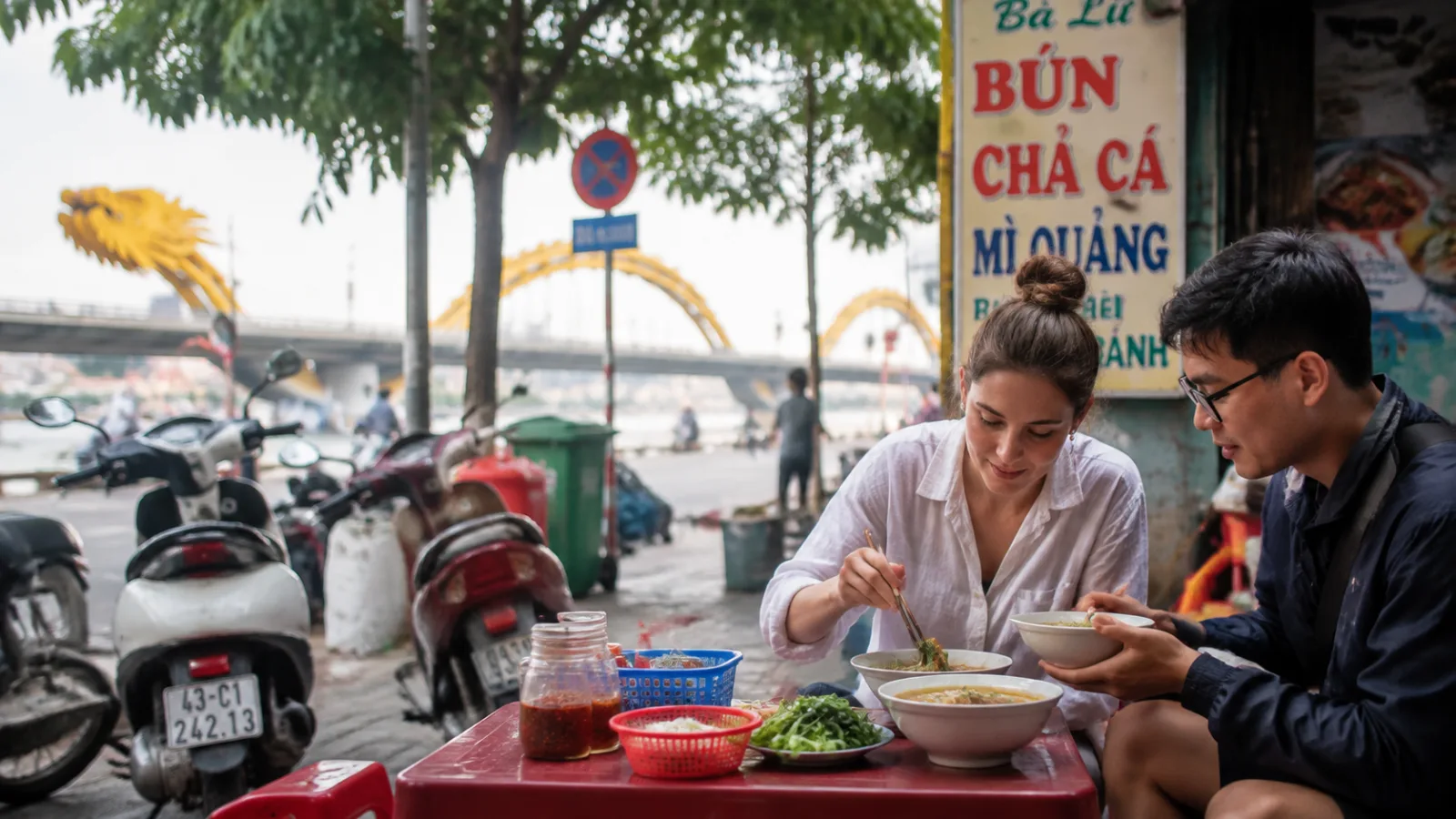

Da Nang food guide is the fastest way to understand why this coastal city deserves far more attention from food-focused travelers. Beyond the beach, Da Nang street food reveals a deep mix of Central Vietnamese flavors, from local dishes built around fresh herbs and rice noodles to the kind of simple bowls that locals eat every day.
For first-time visitors, the hard part is not finding food, but knowing what is worth trying, where it is safe to eat, and how to avoid tourist traps. This guide makes Vietnamese cuisine in Da Nang easier to navigate with clear dish picks, practical ordering tips, and local clues that help you eat well without overthinking. If you want a smooth start, see Da Nang food tours for a ready-made local experience, then compare it with all Toward Local tours if you are planning a longer Vietnam trip.
What Makes a Da Nang Food Guide Worth Following
A Da Nang food guide matters because the city rewards travelers who know where to look, what to order, and how local meals actually work. For first-time visitors, the challenge is not finding food, but finding the dishes that feel authentic, fresh, and worth the time. A good guide turns that uncertainty into a clear, practical plan.
Da Nang sits in the middle of central Vietnam, so its food reflects both coastal abundance and regional depth. You will see bowls built around seafood, rice noodles, herbs, and bold broths, alongside snacks and sweets that locals eat every day. The result is a city where one meal can show you the sea, the street, and the family kitchen at once.
What Da Nang’s food scene is known for is variety with a local rhythm. Morning starts with noodle soups, lunch leans into filling regional specialties, and evenings often shift toward grilled seafood and casual sidewalk eating. A traveler who understands this pattern can eat better, avoid tourist traps, and spend less time guessing. If you want a broader sense of the city before planning meals, Da Nang tours can help you connect food stops with neighborhoods and daily life.
Da Nang is known for fresh seafood, central Vietnamese noodle dishes, and street food that changes by time of day. A reliable Da Nang food guide helps travelers choose the right dishes, understand local eating habits, and find places where flavor, price, and authenticity are easier to judge.
| Criteria | Good Guide | Poor Guide | Why It Matters |
|---|---|---|---|
| Local relevance | Focuses on dishes residents actually eat | Lists only generic tourist food | Better taste and stronger local experience |
| Planning value | Explains when and where to eat | Only names restaurants | Saves time for solo travelers and families |
Why the city stands out in central Vietnamese cuisine is simple: Da Nang is both coastal and connected. Ingredients arrive fresh, recipes stay regional, and cooks often keep flavors clean rather than overloaded. That makes the food approachable for adventurous travelers from Europe, North America, Korea, or Japan who want something local without losing comfort. For couples or families, that balance is a major advantage because the city offers both safe entry points and more exciting options.
If you are building a food-focused itinerary, start with a few trusted neighborhoods, then decide whether you want to explore independently or join a more guided route.
The best local meals in Da Nang are often the simplest ones, served where turnover is high and regular customers keep the standard honest. To compare food experiences across Vietnam, all Toward Local tours can give you a wider trip-planning baseline before you book your next stop.
Follow a guide that explains the city’s food logic, not just its menu names, and your meals in Da Nang will feel more memorable, more local, and far easier to navigate.
Must-Try Da Nang Dishes for First-Time Visitors
Da Nang food guide is the fastest way to understand the city beyond the beach. If you are visiting for the first time, the local food scene can feel spread out, busy, and a little hard to decode, especially when every street seems to serve a different specialty.
The good news is that Da Nang is very easy to eat well in once you know what to order and where each dish usually shows up. This chapter keeps it practical: what to try first, how locals eat it, and why these dishes matter for a first-time visitor looking for authentic flavor and a smooth, local experience.
Start with five core dishes in Da Nang: mi Quang, bun cha ca, banh xeo, banh mi, and seafood. These are the most reliable choices for first-time visitors because they are widely available, clearly local, and easy to enjoy in street stalls, neighborhood shops, and casual beachside restaurants.
Signature dishes you should not miss
1. Mi Quang is the city’s best-known noodle dish, with turmeric noodles, shrimp, pork, herbs, rice crackers, and just enough broth to coat the bowl. It is filling without feeling heavy, which makes it a smart lunch choice in hot weather.
2. Bun cha ca is a fish cake noodle soup with a light, sweet broth and clean coastal flavor. Locals often eat it early in the day, and it is one of the easiest dishes for visitors who want something gentle but still distinctly Da Nang.
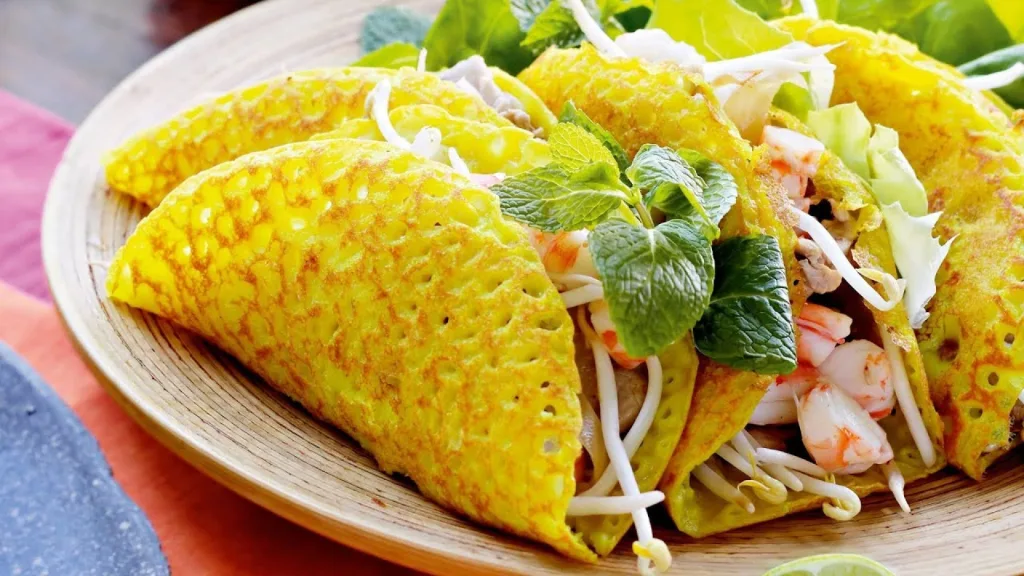
3. Banh xeo is a crispy turmeric crepe filled with pork, shrimp, bean sprouts, and herbs. The real experience is the roll: wrap it in rice paper, add greens, and dip it into peanut sauce for a fresh, textured bite.
4. Banh mi in Da Nang tends to be smaller, faster, and more affordable than many travelers expect. Chicken floss, pate, pickles, chili, and crunchy bread make it a quick answer for solo travelers or families between sightseeing stops.
5. Fresh seafood is one of the biggest reasons people come to this coast. Choose live tanks, simple grilled preparations, and restaurants where the menu is priced by weight so you can order with confidence.
For a deeper local-food day, you can pair a tasting plan with Da Nang food tours and skip the guesswork on your first night. That is especially useful if you want to compare several dishes in one area instead of searching across the city.
Where each dish is commonly found and what makes it special
| Dish | Common place to find it | What makes it special | Best for |
|---|---|---|---|
| Mi Quang | Local noodle shops and breakfast stalls | Strong Central Vietnamese flavor and satisfying texture | First-time visitors who want a signature lunch |
| Bun cha ca | Morning eateries near residential streets | Light broth with fish cake and a clean coastal taste | Travelers who prefer something mild and local |
| Banh xeo | Family-run restaurants and casual evening spots | Crispy edges and interactive wrapping style | Couples and groups sharing a fun meal |
| Seafood | Beachside seafood restaurants and live-tank venues | Fresh catch, simple seasoning, strong value if ordered well | Adventurous eaters and family dinners |
A useful rule is to eat breakfast like a local, lunch for the city’s signature noodle dishes, and dinner for seafood or sharing plates. If you are staying longer, combine Da Nang with Hoi An tours for a broader Central Vietnam food comparison, since the cooking style shifts noticeably just a short drive away.
The best meals in Da Nang are rarely the fanciest. They are the places with a short menu, steady local traffic, and a clear specialty, because that usually means the kitchen has repeated the same dish enough to get it right.
If you want a simple first-day plan, start with one noodle bowl, one snack, and one seafood meal. That gives you the full range of local flavor without overordering or wasting time in tourist-heavy spots.
Use this Da Nang food guide as your shortlist, then build your route around morning noodles, afternoon coffee, and a seafood dinner by the coast. That is the easiest way to eat like a local while keeping your trip efficient, memorable, and genuinely useful.
How to Explore Da Nang Food Like a Local
Da Nang food guide starts with one simple rule: follow the crowds, not the prettiest frontage. If you want the most local meals, look for morning markets, narrow street corners, and neighborhood stalls where office workers, students, and older residents eat quickly and leave with no fuss. That is usually where the freshest broth, best noodles, and most consistent flavors are found.
For first-time visitors, the easiest way to eat like a local is to build your day around a few food zones rather than chasing one famous restaurant. Start early at a market for breakfast, move to a busy street for lunch, and save a seaside seafood spot or dessert stop for the evening. A smart Da Nang food tour can help you learn the city fast without wasting meals on average places.
To explore Da Nang like a local, go where residents already eat. Choose busy stalls near markets, main streets with steady turnover, and neighborhoods around schools or offices. Order simply, watch what regulars are eating, and prefer places with a short menu, fast movement, and visible cooking. Those are the strongest signs of a trustworthy stall.
Best food-hunting areas usually fall into three easy categories:
- Markets such as Con Market and Bac My An Market for breakfast noodles, sweet soups, fruit, and snacks
- Central streets like Le Duan, Nguyen Chi Thanh, and Pham Hong Thai for late lunch and evening bowls
- Beachside roads near Vo Nguyen Giap for seafood with live tanks and a more relaxed dinner pace
The best stalls are not always the busiest by tourist standards, but they do have repeat local customers. If people are ordering the same dish in a steady rhythm, that is a strong sign the kitchen knows exactly what it is doing.
When you are planning a broader trip, a well-timed stop in central Vietnam can pair food discovery with easy sightseeing, and Hoi An tours work well if you want to compare flavors across nearby cities.
Simple ordering also matters. Point to the dish, say the quantity, and do not overcomplicate the first round. Many local stalls are fast and informal, so the smoothest approach is:
| Criteria | Busy local stall | Tourist-style spot | Best choice |
|---|---|---|---|
| Menu style | Short and focused | Long with many mixed dishes | Short and focused |
| Customer flow | Steady local turnover | Slow or irregular | Steady local turnover |
| Signal | Busy kitchen, simple setup | Decor-first, photo-heavy | Busy kitchen, simple setup |
Dining etiquette is straightforward. Take small bites, keep your voice low, and pay attention to where people place chopsticks, spoons, and tissue packs. In many family-run stalls, staff may not rush you, but they expect quick, efficient ordering. If you are unsure, smile, ask for recommendations, and let the regulars guide you by example.
If you want a softer way to discover the city before going fully independent, consider mixing one guided experience with your own exploration. That balance works especially well for couples and solo travelers who want local flavor without the stress of guessing every stop. A good starting point is to compare options across all Toward Local tours and then use the rest of your meals to roam freely.
For adventurous travelers, the real reward is confidence. After one or two local meals, you will notice patterns quickly: the same ingredients, the same busy hours, the same efficient service, and the same dishes that vanish first. That is how you turn a Da Nang food guide into a practical skill, not just a list of names. Stay observant, eat where people return, and let the city show you what it does best.
In the evening, finish with a light dessert or coffee stop rather than chasing one more heavy meal. That keeps the day balanced and gives you more room to enjoy the next round of noodles, seafood, or street snacks. If you want, you can also split meals with a travel partner so you can try more dishes without feeling overloaded.
Final tip: if a stall has clean work surfaces, fast turnover, and a clear regular crowd, it usually deserves your trust more than any polished review.
Choosing the Best Food Experiences in Da Nang
Da Nang food guide travelers often ask the same question first: should you eat at street stalls, sit in a local restaurant, or book a seafood meal by the beach? The answer depends on your appetite for adventure, your budget, and how much comfort you want after a long day of sightseeing. Da Nang makes all three easy to try in one trip.
If you are a solo traveler, a couple, or a family from Europe, North America, Korea, or Japan, the city gives you a clear food ladder. Start with a casual bowl of noodles, move to a sit-down meal for regional dishes, then finish with fresh seafood when you want a bigger experience. That mix is what makes a Da Nang food guide useful in real planning.
The best food experience in Da Nang depends on your style. Street food is cheapest and most local, restaurants are cleaner and easier for groups, and seafood spots are best for fresh coastal meals. For first-time visitors, the smartest plan is to try at least one of each so you get both flavor and context.
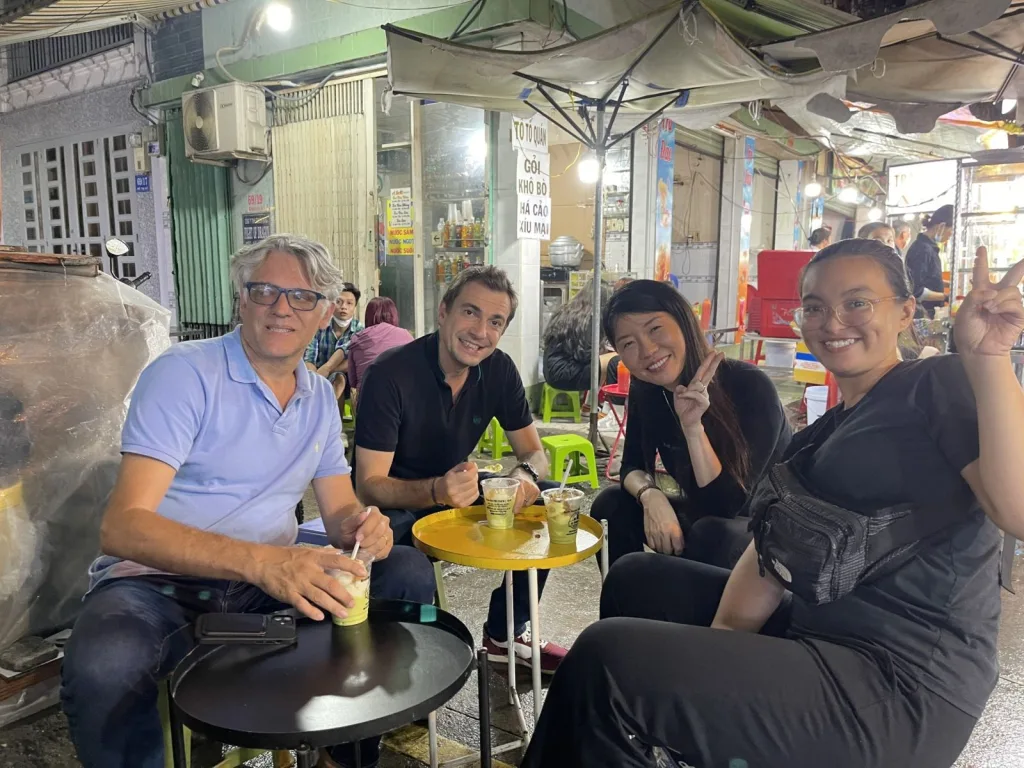
Street food works best if you want fast, cheap, and memorable. Think banh mi, mi Quang, or a bowl of bun cha ca eaten near a busy market. You get strong local energy, but seating can be simple and menus may not be in English. For adventurous travelers, that is part of the charm, especially if you like watching a vendor cook right in front of you.
Local restaurants are the easiest middle ground. They are usually more comfortable, more predictable, and better for families or travelers who want to slow down. You can order multiple shared dishes, compare flavors, and avoid the rush of standing beside a sidewalk stall. For a smooth evening, you can also pair dinner planning with Da Nang local tours if you want a guided stop that removes guesswork.
Seafood spots are the strongest choice when freshness matters most. Many places display live tanks, and staff often cook by weight, which is ideal if you want crab, clams, squid, or grilled shellfish. The tradeoff is price and commitment, since seafood meals can cost more than street food and usually take longer. Still, for couples or groups celebrating a special night, this is one of the most rewarding options in the city.
Pros and cons in one glance:
| Criteria | Street Food | Local Restaurants | Seafood Spots |
|---|---|---|---|
| Best for | Quick local flavor | Comfort and variety | Fresh coastal dining |
| Tradeoff | Basic seating and language gaps | Less spontaneous | Higher price and longer meal time |
If you are in Da Nang for only two or three days, do not choose just one category. A balanced route gives you the strongest picture of the city. Start with street food at lunch, use a restaurant for dinner, then save seafood for the night you want to stay longer and enjoy the atmosphere.
Soft planning tip: if you prefer structured food stops and want to save time, combining meals with a local route can help. You can check all Toward Local tours for options that fit food-focused trips without forcing a rigid schedule.
Which option fits your style:
- Street food for budget travelers and adventurous eaters
- Local restaurants for families, first-time visitors, and relaxed pacing
- Seafood spots for couples, groups, and fresh-dining experiences
If you want the most complete experience, use all three. That is how Da Nang turns a simple meal plan into a memorable part of the trip. For travelers who want local flavor without wasting time, book a food-oriented evening and let the city do the rest.
Da Nang Food Guide Tips, Common Mistakes, and FAQs
Da Nang food guide travelers often need more than a list of famous dishes; they need practical advice on where to eat, what to avoid, and how to fit local meals into a beach trip or city break. If you are new to central Vietnam, the real challenge is not finding food, but choosing places that feel local, safe, and worth your time.
For first-time visitors, the smartest approach is simple: eat where turnover is high, keep your meal budget flexible, and look for clear menus or visible cooking stations. That helps you enjoy street food confidence without missing the citys best flavors, from seafood near the coast to noodle shops tucked into small alleys.
The safest way to eat well in Da Nang is to choose busy stalls, check how fresh ingredients look, start with cooked dishes, and keep cash ready for small local shops. For a better experience, go early for breakfast noodles, avoid empty restaurants at peak meal hours, and ask for spice on the side if needed.
Food safety is usually straightforward if you apply a few travel common sense rules. Choose hot, freshly cooked meals, check that seafood is kept cold or alive before ordering, and drink sealed water only. A good example is grilled seafood by the beach: it should be weighed clearly, cooked to order, and served without pressure to overbuy. When in doubt, follow the line of local diners rather than the flashiest sign.
Budget-wise, breakfast and lunch are the best value meals. A bowl of noodles, a bánh mì, or a rice plate often costs far less than a Western-style cafe brunch. If you want a relaxed upgrade, consider a Da Nang food tour for an efficient route through markets and family-run stops. That is useful for solo travelers and couples who want variety without wasting time navigating on their own.
Common mistakes are easy to avoid:
- Only eating near the beach and missing inland local eateries
- Ordering too much seafood before checking the price per kilogram
- Expecting every dish to be very spicy
- Skipping breakfast, when many of the best dishes are served early
The most local meals are often the simplest ones, not the most photographed ones.
| Criteria | Best Choice | Avoid | Why It Matters |
|---|---|---|---|
| First meal of the day | Busy noodle shop | Empty cafe with long wait | Higher turnover usually means fresher food |
| Seafood dinner | Live tanks with clear pricing | Unclear weighing or vague menu | Protects your budget and reduces surprises |
FAQ: The best time to eat in Da Nang is early morning for noodles and coffee, then late lunch or early dinner for seafood and rice dishes. Vegetarian travelers can manage well if they ask for chay, because many noodle soups, rice plates, and vegetable dishes can be adapted. For spicy food, request ớt separately, since heat is often optional rather than built in.
Are guided food tours worth it? Yes, if you want local context, fewer ordering mistakes, and a smoother first day in the city. A good guide can help you compare dishes, explain ingredients, and choose places that fit your comfort level. If your trip also includes nearby heritage towns, you may want to pair Da Nang with Hoi An food experiences for a broader central Vietnam tasting route.
If you prefer independence, build your own route around markets, breakfast stalls, and one seafood dinner. If you prefer efficiency and less guesswork, book a guided option and spend your energy on eating, not planning. For adventurous travelers, the best strategy is to mix both. Start with one local tour, then use what you learn to explore on your own the next day. For more options across Vietnam, see all Toward Local tours and choose the pace that fits your trip.
In short, Da Nang rewards travelers who eat early, ask simple questions, and stay open to humble local places. That approach gives you better food, better value, and a more authentic experience than chasing only the most popular spots.
Một phản hồi