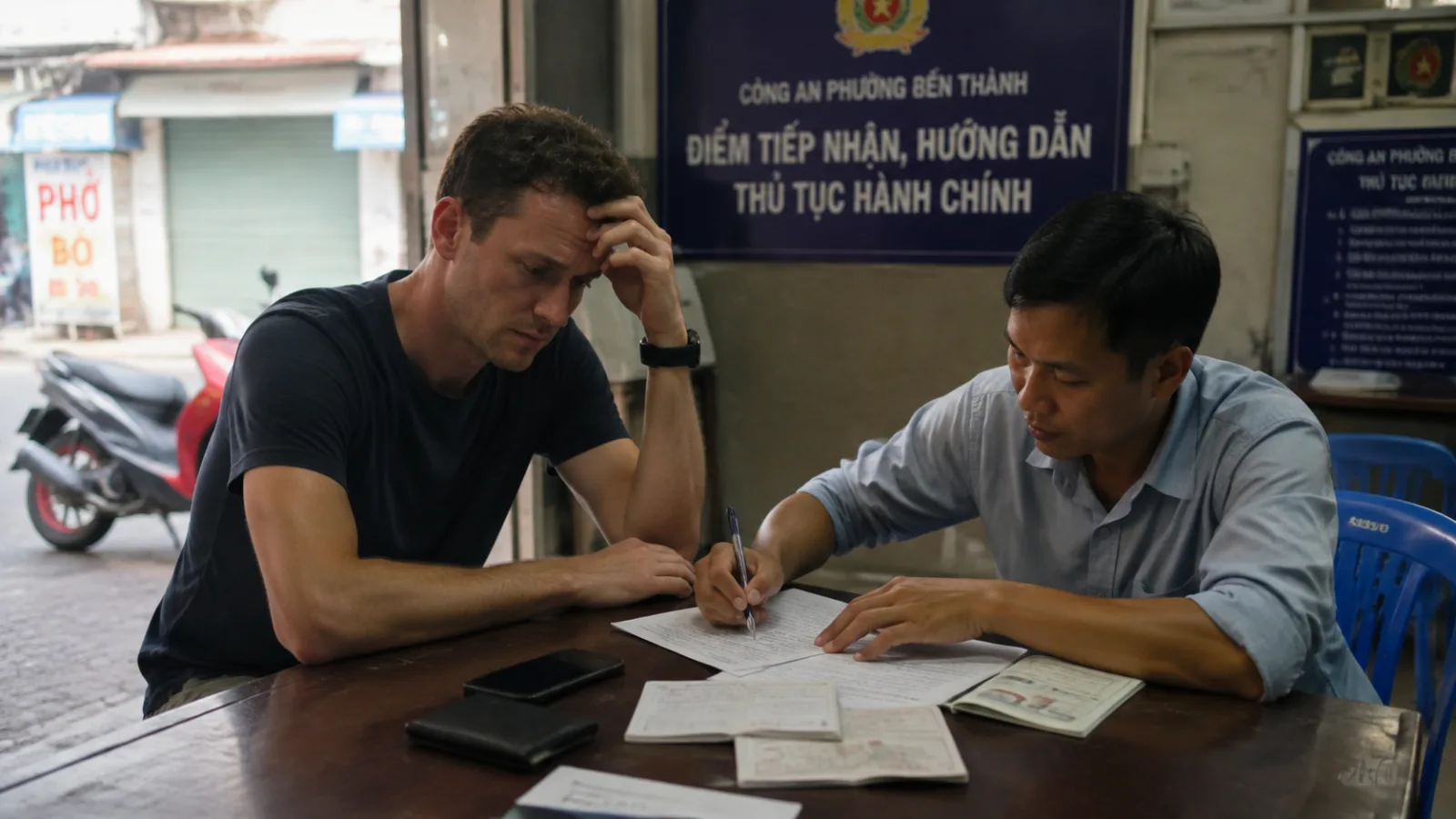

Lost passport in Vietnam can disrupt hotel check-ins, airport transfers, and even a simple night train booking, but the fix is usually straightforward if you act fast. The first priority is to stay calm, secure proof of your identity, and report the loss so you can start the replacement process without unnecessary delay.
For most travelers, the best path is to confirm where the passport disappeared, contact local police if needed, and then speak with your embassy or consulate about an emergency travel document. If you are already moving between cities, a trusted local helper such as all Toward Local tours can also make the logistics easier while you handle paperwork and transport.
What a Lost Passport in Vietnam Means and Why It Matters
Lost passport in Vietnam is more than a travel inconvenience; it can interrupt hotel check-ins, domestic transfers, and your ability to prove identity at every step. For first-time visitors and adventurous travelers, the issue usually starts small, then quickly affects plans, cash access, and exit timing.
What makes it stressful is not only the missing document, but the chain reaction it creates across police reporting, embassy support, and immigration checks. If you are traveling as a couple, solo, or with family, knowing the process early helps you stay calm and avoid costly mistakes.
A lost passport case means the document is missing and cannot be found after a reasonable search, whether it was misplaced at a cafe, left in a hotel room, or taken during a theft. In practice, the difference between lost and stolen matters less than speed: both require immediate reporting and proof of identity. If you are still building your Vietnam itinerary, it helps to keep a flexible plan around Toward Local tours so one disruption does not cancel the whole trip.
The issue affects more than border control. Hotels may ask for your passport at check-in, airlines may need it for verification, and some banks or money services may freeze access without valid ID. A simple example: a traveler who loses a passport in Ho Chi Minh City may still have a hotel room, but cannot easily board a flight or complete a visa process until the paperwork is replaced. That is why a quick response matters more than waiting to see if it turns up.
Many travelers assume a photo of the passport is enough. It helps, but it is not a substitute for the original when authorities or providers need formal identity proof. If your route includes local experiences in the south, it is smart to keep plans close to your base and consider Ho Chi Minh City food tours only after your documents are secure.
| Criteria | Lost | Stolen | Why it matters |
|---|---|---|---|
| Common situation | Misplaced in hotel, transport, or cafe | Taken by another person | Both need fast reporting |
| Main impact | Delays in check-in and travel | Higher security risk | Identity checks may stop your trip |
If you are planning local travel in Vietnam, build extra time into your schedule and keep digital copies of your documents in one secure folder. That simple habit can save a day of stress.
When you understand why a lost passport in Vietnam matters, you can act faster, protect your trip, and reduce the chance of missing flights, hotel deadlines, or embassy appointments. If you want flexible, local-friendly travel ideas while staying close to support, explore Da Nang tours or other city options only after your documents are back under control.
Before your next Vietnam trip, save your passport copy, embassy contact, hotel address, and insurance number in separate places. That preparation is often the difference between a short delay and a trip-ending problem.
What to Do Immediately After Losing Your Passport in Vietnam
Lost passport in Vietnam situations are stressful, but the first hour matters more than panic. Focus on three things in order: search the last place you used it, protect your other valuables, and report the loss quickly so you can start the replacement process with fewer delays.
If you are in a busy area like a night market, beach town, or train station, move to a calm spot and retrace your steps with purpose. A good rule is to check pockets, bags, hotel reception, taxi seats, and any restaurant table before you assume theft. Then notify the police, your embassy or consulate, and your airline so your travel plans do not unravel later.
| Criteria | Local police | Embassy or consulate | Airline |
|---|---|---|---|
| What they do | Record the loss and issue a report | Help with emergency travel documents | Adjust booking and departure needs |
| Why it matters | Needed for replacement paperwork | Needed to return home legally | Prevents check-in and boarding problems |
Step one is to search methodically. Check the last café, bus seat, hotel lobby, scooter compartment, or tour desk where you handled your passport. If you are staying with family or traveling as a couple, split tasks so one person searches while the other calls the hotel and keeps photos of your documents ready. This small division saves time when the situation is already tense.
Step two is to secure everything else. Cancel access to any stored copies, move cash and cards to a safer place, and keep your phone charged because you may need photos of your passport, visa stamp, and entry stamp. If you are in a city and still want the day to feel salvageable, you can pause nearby at a local Saigon food tour later only after the reporting steps are done.
Step three is to file the loss report. Go to the nearest police station or ask your hotel to help you find the right office. Bring any ID copy, your visa details, and a clear timeline of when you last saw the passport. The report is often the document your embassy needs before issuing a replacement travel document, so do not skip it or delay until the next day.
After that, contact your embassy or consulate, then tell your airline about the situation if you have an upcoming flight. Many travelers underestimate how much the airline needs to know, especially if rebooking, identity checks, or same-day departure changes are involved. For a multi-city trip, keep your plans flexible and review options on Toward Local tours only when your paperwork is under control.
In practice, the fastest response is simple: search, report, then rebuild your travel documents. That order keeps you calm, protects your trip, and reduces the risk of being stuck at check-in without the right proof of identity. For most visitors, the difference between a manageable problem and a trip-ending one is acting within the first few hours.
In one sentence, the best response to a lost passport in Vietnam is to secure your belongings, obtain a police report, contact your embassy or consulate immediately, and notify your airline so replacement and departure steps can begin without avoidable delays.
If you need practical recovery help while traveling, treat this as an administrative emergency first and a travel issue second. Once the report is filed and your embassy has the details, the rest becomes a clear checklist instead of a crisis.
For travelers who like active days and local experiences, keep your itinerary simple until the replacement process is moving. That way, you stay near the right offices, avoid missed calls, and keep access to your documents, hotel staff, and transport options.
The strongest next move is to act immediately, keep copies of every document you receive, and ask your embassy what to do next for exit permissions or replacement visas. If you want a smoother recovery and a more flexible trip plan, start by following the official steps, then explore again once your identity documents are sorted.
How to Replace a Lost Passport in Vietnam
Lost passport in Vietnam can turn a smooth trip into a same-day problem, but the fix is usually straightforward if you act fast. The priority is to report the loss, contact your embassy or consulate, and prepare the documents they will ask for.
If you are in Ho Chi Minh City, Hanoi, or Da Nang, you can often move faster by using your hotel front desk, a local police station, and a nearby embassy contact in the same morning. That is the practical route most travelers need, especially if you are mid-trip and still want to keep your plans on track.
To replace a lost passport in Vietnam, report the loss to the local police, contact your embassy or consulate, bring passport photos and ID copies, and apply for an emergency travel document or new passport. Processing time depends on your nationality, location, and whether your supporting papers are complete.
The first step is always the police report, because it creates the official record your embassy needs. Bring any copy you have of your passport, your visa page, travel insurance details, and one or two passport photos. If you do not have copies, a hotel booking confirmation, flight itinerary, or even a clear photo of your passport on your phone can still help prove identity. For travelers using local support, a staff member from Toward Local tours can sometimes help you find the right office faster.
Typical documents include:
- Police loss report
- Passport photos
- Passport copy or digital scan
- Visa or entry stamp copy
- Flight ticket or accommodation proof
A useful detail many travelers miss is that strong backups shorten the process. If your phone has a photo of your passport data page, your embassy can verify you more quickly and may issue an emergency passport or temporary travel document sooner.
For travelers staying in the south, the nearest support point is often easier to reach than you expect, and pairing it with a city transfer from Ho Chi Minh City tours can save hours if you need to move between offices, hotels, and embassies in one day.
The next step depends on your nationality and urgency. Some embassies issue an emergency passport or temporary travel document in one to three working days if your identity is clear and your return flight is confirmed. Others may need longer if they must verify records or contact your home country.
| Criteria | Emergency passport | Temporary travel document | New regular passport |
|---|---|---|---|
| Best for | Urgent return travel | One-way exit or short transit | Longer stay or full replacement |
| Typical timeline | 1 to 3 working days | Same day to a few days | Varies by embassy |
Soft tip: keep your embassy address, your insurance hotline, and one passport scan in separate places. That small habit often decides whether a lost passport stays a delay or becomes a full travel disruption.
After you receive the replacement document, your embassy may also advise you on the visa side before departure. In some cases, you will need a letter or new immigration support before you can leave Vietnam, especially if your original visa was inside the lost passport.
If you are still deciding how to manage the rest of your itinerary, stay flexible and avoid long transfers until your paperwork is settled. For travelers who want to continue exploring once the issue is resolved, Da Nang tours can be a calmer next stop than trying to rush between cities.
In practice, the fastest outcome comes from three things: fast reporting, clean identity proof, and quick embassy contact. If you prepare those well, replacing a lost passport in Vietnam is usually an admin problem, not a trip-ending one.
Bottom line: report the loss immediately, gather every identity document you have, and contact your embassy or consulate the same day. That is the fastest path to an emergency passport, a temporary travel document, or a full replacement, depending on your case and your departure deadline.
Lost Passport in Vietnam: Common Scenarios, Costs, and Alternatives
Lost passport in Vietnam situations usually fall into four buckets: truly lost, stolen, expired, or damaged. The right move depends on which one you are dealing with, because each case affects police reports, embassy paperwork, and your departure timeline.
If you are in a city like Ho Chi Minh City, Da Nang, or Hoi An, act fast and keep your hotel front desk informed. In many cases, a clear plan saves half a day of stress and helps you avoid extra fees, missed tours, or flight changes.
In practical terms, a lost passport means you cannot prove your identity at airport or immigration counters, while a stolen passport may require a police report right away. An expired passport is a different problem, since some airlines will deny boarding even if your visa is still valid. A damaged passport can be rejected if the chip, photo page, or main details are unreadable.
Here is the quick decision guide:
| Case | Main risk | Best first move | Typical outcome |
|---|---|---|---|
| Lost passport | Identity check delays | Report and contact embassy | Emergency document or replacement |
| Stolen passport | Fraud and police procedures | Police report first | Stricter verification |
| Expired or damaged passport | Airline refusal | Check embassy replacement options | New passport before travel |
Fees depend on your nationality, the embassy, and whether you need an emergency passport, replacement visa, or notarized copies. A soft-rule estimate is that the direct cost is often lower than the indirect cost of missing a flight, so the best option is usually the fastest legal one, not the cheapest.
For travelers who still have flexibility, this is also the moment to simplify the rest of the trip and avoid extra transfers. If your route is already changing, you can browse local tours in Vietnam later, then focus first on paperwork and transport.
If your passport is lost, stolen, expired, or damaged in Vietnam, identify the case first, then contact your embassy, file police paperwork if needed, and confirm airline and immigration requirements. The fastest legal replacement is usually the safest option for avoiding flight delays and exit problems.
Travelers often overfocus on the replacement fee and miss the bigger cost, which is time. In peak travel periods, one delayed document can affect hotel check-out, domestic flights, and even Ho Chi Minh City food tours you already booked.
If you are still deciding whether to stay, reschedule, or move to another city, ask your hotel to help you confirm the nearest police station and embassy route before you leave the lobby.
Best option by situation:
- Lost or stolen passport: report first, then embassy
- Expired passport: renew or reissue before any international move
- Damaged passport: check if the photo page and chip still scan
- Urgent departure: ask for emergency travel document support
Treat this as a logistics problem, not a travel disaster. Once your identity and exit status are clear, you can continue your Vietnam trip with less risk and fewer surprise costs.
Important Tips, FAQs, and Next Steps After a Lost Passport in Vietnam
Lost passport in Vietnam situations are stressful, but most problems get smaller once you follow the right sequence. The key is to report the loss quickly, keep every receipt and document, and avoid trying to solve it alone at the airport or hotel desk.
For adventurous solo travelers, couples, and families, the practical goal is simple: protect your identity, get the right paperwork, and keep your trip moving. If you are still planning local experiences while sorting things out, you can browse all Toward Local tours and decide later when your travel documents are stable.
If your passport is lost in Vietnam, report it to local police, contact your embassy or consulate, prepare passport photos and ID copies, and ask your hotel to help with translation or directions. Keep copies of your flight and visa details, because they often speed up the replacement process.
Common mistakes to avoid are usually small but costly. Do not leave the hotel without a police report, do not assume the embassy can fix everything in one visit, and do not book onward travel until you know whether a replacement visa is required. A local agent, hotel staff member, or even a calm receptionist can save hours when paperwork gets confusing.
| Criteria | Best Action | Common Risk | Time Sensitivity |
|---|---|---|---|
| Police report | File it immediately | Delayed embassy support | High |
| Embassy visit | Bring copies and photos | Missing documents | High |
| Hotel check-in | Explain the situation early | Identity verification issues | Medium |
FAQ
Do I need a police report? Yes. Most embassies and consulates will ask for it, and hotels or airlines may also want proof that you officially reported the loss.
Can I travel to another city before replacing the passport? Sometimes, but only if your documents, local status, and embassy guidance make it safe. For example, a traveler staying in Ho Chi Minh City may need to remain nearby if the embassy wants a follow-up appointment the next day.
What if I have an onward flight? Contact the airline as soon as possible and explain the situation. If you are still in the planning stage and want to keep the trip flexible, consider a half-day break such as Ho Chi Minh City tours after you finish the paperwork.
Can my hotel still check me in? Usually yes, if they can verify your booking and you show a police report or a clear copy of your passport. Some properties handle this smoothly, while others need extra time, so tell them early and bring any digital ID copy you have.
What should I do before leaving Vietnam? Confirm your replacement passport or emergency travel document, check whether a replacement visa is needed, and keep the police report with your boarding documents. If your route includes central Vietnam, you may also want to review Hoi An local tours for a later, stress-free return visit.
The best next step is calm action, not panic. Save embassy numbers, store passport copies in your phone, and keep one printed copy in your bag on every trip. If you still want to enjoy Vietnam after the paperwork is handled, book your local experience only when your documents are secure and your departure plan is clear.