
Vietnam typhoon season can disrupt even a well-planned trip, with sudden downpours, flooded streets, and delayed ferries or flights catching travelers off guard. For solo travelers, couples, and families who want to explore Vietnam with confidence, the key is knowing when the risk peaks and how to adapt plans fast.
This guide explains the Vietnam typhoon season timeline, the weather patterns behind it, and which regions face the highest impact. You will also learn practical safety steps, smart packing choices, and when to book flexible plans, plus where to find safer route ideas through all Toward Local tours when your itinerary needs a quick adjustment.
What Is Vietnam Typhoon Season?
Vietnam typhoon season is the period when tropical storms and strong monsoon systems can bring heavy rain, rough seas, and sudden travel disruptions across the country. For foreign travelers, the real challenge is not just the storm itself, but how quickly weather can change your plans for flights, ferries, beach days, and road trips.
In practical terms, this season matters most if you are building an adventurous itinerary through coastal cities, islands, or outdoor attractions. A clear understanding of timing, risk level, and regional differences helps you travel smarter, stay flexible, and still enjoy local experiences without unnecessary stress.
Vietnam typhoon season usually runs from late summer to late autumn, with the highest risk varying by region. Northern and central Vietnam are more exposed to strong storms, while southern areas are often less affected. Travelers should watch forecasts, keep flexible plans, and avoid relying on tight same-day transfers during storm periods.
What typhoons are and how they affect Vietnam
A typhoon is a powerful tropical cyclone that forms over warm ocean water and can move toward Vietnam with intense wind, rain, and coastal flooding. In this region, the impact often goes beyond wind damage. Tourists may face delayed domestic flights, closed beaches, cancelled boat trips, slippery roads, and temporary shutdowns of outdoor services.
For example, a couple heading to central Vietnam may find a perfect beach morning followed by an afternoon closure because sea conditions changed fast. That is why travelers who plan active itineraries often pair weather checks with flexible bookings and local support, especially if they want to keep moving between cities. If you are planning more local experiences, you can browse all tours from Toward Local for ideas that fit different weather windows.
The biggest travel risk is often not a direct hit, but the chain reaction of rain, transport delays, and limited visibility on the road.
When Vietnam typhoon season usually happens
In most years, Vietnam typhoon season is strongest from July to November, with the central and northern regions usually seeing the highest exposure. September and October are often the most active months, although exact timing depends on the year. Southern Vietnam can still get heavy rain, but severe typhoon impact is generally less frequent there.
| Criteria | North Vietnam | Central Vietnam | South Vietnam |
|---|---|---|---|
| Storm exposure | High in late summer and autumn | Very high during peak season | Lower, but rain can still be heavy |
| Typical travel impact | Flight delays and mountain road issues | Beach closures and strong rain disruption | Short downpours, fewer major shutdowns |
If you want to keep your trip adventurous but manageable, the smartest approach is to travel with weather-aware pacing. Build buffer time between destinations, avoid packing too many seaside activities in one stretch, and choose flexible local experiences when forecasts look uncertain. For travelers planning a city-first itinerary, Ho Chi Minh City food tours can be a useful indoor-friendly option during rainy days.
If your Vietnam trip overlaps with storm season, do not cancel the whole plan. Instead, adjust the route, keep one backup day in each region, and choose tours that can adapt to weather. That is how you keep the local experience while reducing risk.
How Vietnam Typhoon Season Works Across Different Regions
Vietnam typhoon season does not hit the country evenly, and that is the first thing travelers need to understand. Northern bays, central coastlines, and southern lowlands all respond differently to the same storm system, so a safe trip depends on where you are, not just when you travel.
For adventurous solo travelers, couples, and families, this matters because one region may still be manageable while another faces heavy rain, rough seas, or transport delays. The practical solution is simple: match your route to the weather pattern, then build flexible plans for transfer days and outdoor activities.
Vietnam typhoon season varies by region. Northern Vietnam is usually affected by late-summer and early-autumn storms, central Vietnam often faces the strongest coastal impacts, and the south sees fewer direct typhoons but can still get intense rain and flooding. Route planning should always follow local weather alerts.
In the north, storms often arrive with shorter but stronger bursts of rain, especially around the Gulf of Tonkin and the Red River Delta. Hanoi day trips, bay cruises, and mountain routes can all be affected at the same time, which is why travelers should keep one indoor backup plan ready.
In central Vietnam, the risk is usually higher because narrow coastal land meets mountains quickly. That geography can trap rain, trigger flash flooding, and increase landslide risk on road journeys. If you are planning beach time or a city break, build in extra buffer days and check Da Nang coastal tours or Hoi An experiences only when local conditions stay stable.
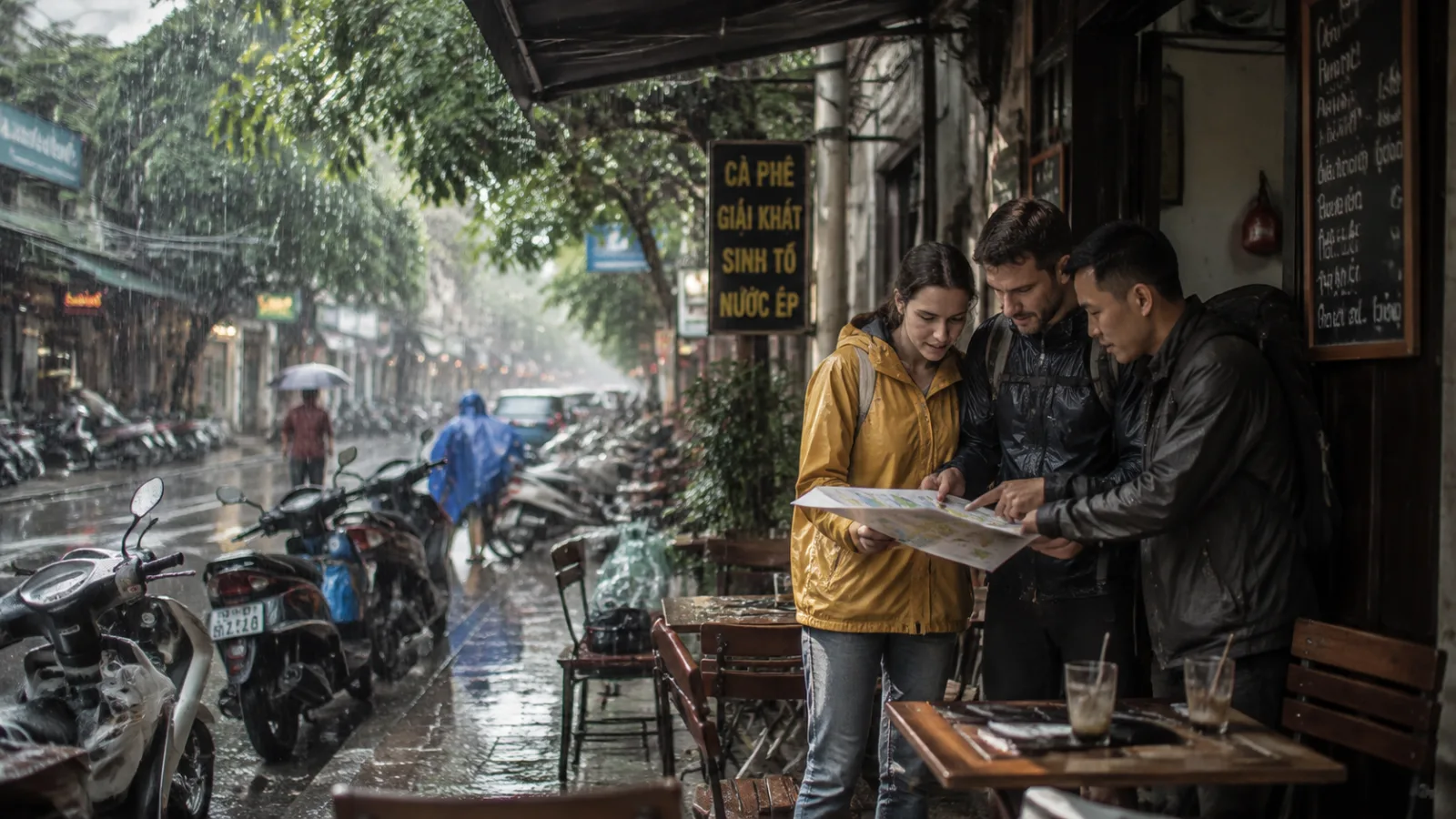
In the south, storms are less likely to make direct landfall, but heavy afternoon rain can still disrupt plans, especially during the wet season. Ho Chi Minh City and the Mekong Delta can move from clear skies to waterlogged streets quickly, so short walking routes, covered markets, and flexible food stops work better than fixed outdoor schedules.
| Criteria | North | Central | South |
|---|---|---|---|
| Typhoon impact | Moderate to high | High | Lower direct hit risk |
| Main travel issue | Rain, wind, bay delays | Flooding, landslides | Sudden downpours |
The areas most vulnerable to storms, flooding, and landslides are usually low-lying coastal zones, river basins, and steep mountain roads. A useful rule is to avoid tight overland schedules in central Vietnam after heavy rain and to treat highland routes near Da Lat, Hue, and the northern mountains as weather-sensitive.
Soft planning advice for local-style trips: choose cities with indoor food, museum, and market options when the forecast is unstable, then keep nature days for the clearest window. If you want to keep your trip flexible while still exploring well, browse the full Toward Local tours and pick a route that can shift with the weather.
For safety and comfort, the smartest approach is not to avoid Vietnam typhoon season completely, but to travel with regional awareness. That mindset helps you enjoy the country’s local character, reduce disruption, and make better decisions when the weather changes fast.
What to Do During Vietnam Typhoon Season
Vietnam typhoon season can still be a rewarding time to travel if you plan with discipline and stay flexible. The key is not to avoid every trip, but to reduce exposure by tracking weather, choosing safer routes, and building extra time into your schedule.
For solo travelers, couples, and families, the smartest approach is to treat forecasts as part of your itinerary. That means checking conditions before each transfer, booking hotels with solid indoor spaces, and keeping a simple backup plan for rain-heavy days.
During Vietnam typhoon season, travel safely by watching official forecasts, avoiding coastal exposure during storm alerts, and packing for delays. Choose flexible bookings, keep copies of documents, and prioritize sheltered transport and hotels with reliable staff support.
Travel planning, monitoring forecasts, and packing essentials
Start by planning around weather windows, not just destinations. If your route includes central coast stops, leave room to shift dates or swap beach time for city time. This matters most in months when storms can change direction quickly.
Check the Vietnam National Center for Hydro-Meteorological Forecasting, airline alerts, and local hotel messages daily. A practical setup is to keep one rainy-day backup activity and one spare travel day. If you want a safer city break while waiting out rough weather, browse all Toward Local tours for flexible options.
| Criteria | Best Choice | Why It Helps | Travel Tip |
|---|---|---|---|
| Forecast tracking | Official weather updates | Gives earlier warning than social posts | Check twice daily |
| Packing | Light rain kit | Keeps transfers manageable | Use quick-dry layers |
Pack a small rain shell, waterproof phone pouch, power bank, slip-resistant sandals, and a compact first-aid kit. The best typhoon-season packing list is not bulky, it is adaptable, because wet streets, delayed boats, and sudden indoor detours are the real challenge.
Safety steps for hotels, transport, and outdoor activities
Choose hotels with interior corridors, backup power, and staff who can explain evacuation procedures clearly. Ask where to wait if winds increase, and keep your room near upper-safe but not top-exposed levels when possible.
For transport, prefer reputable cars, pre-booked transfers, and flights with change flexibility. On the road, avoid coastal detours and slow-moving night routes during heavy rain. If your trip includes a local food or city day, consider a safer urban option such as HCMC food tours before conditions worsen.
Outdoor activities should be scaled down fast when alerts rise. Skip boat rides, exposed viewpoints, and long motorbike legs if visibility drops. A good rule is simple: if locals are changing plans, you should too. Choose experiences that can adapt with the weather instead of fighting it.
If you want to keep your Vietnam itinerary enjoyable during storm season, book with flexibility, stay alert to forecasts, and favor tours that can shift location or timing without stress. That approach protects your trip and still leaves room for adventure.
Is Vietnam Typhoon Season a Bad Time to Visit?
Vietnam typhoon season can sound like a dealbreaker, especially if you are planning a first trip and want clear skies, easy transfers, and no surprise disruptions. The reality is more nuanced: some regions are affected more than others, and many travelers still enjoy a great itinerary by choosing the right coast, timing, and daily plan.
For adventurous travelers, the key is not to avoid Vietnam completely, but to match your route with the weather pattern. That usually means understanding when storms are most likely, how they move across the country, and which destinations stay practical even during wetter months. If you want a trip that balances local experiences with lower crowds, see all Toward Local tours while you plan around the forecast.
Featured answer: Typhoon season is not automatically a bad time to visit Vietnam. It can still be a good choice if you stay flexible, focus on safer regions, and build extra buffer time into transport plans. Travelers who accept some rain often get better rates, quieter streets, and a more local feel.
| Criteria | Typhoon season | Dry season | Shoulder months |
|---|---|---|---|
| Weather risk | Higher chance of heavy rain and storms | Most stable and sunny | Mixed, with shorter rain periods |
| Travel style | Best for flexible planners | Best for first-time visitors | Best for value seekers |
In practice, the dry season is easier for beach time, island hops, and tight schedules, while shoulder months often give you a sweet spot of fewer crowds and decent weather. Typhoon season, by contrast, demands smarter routing, such as spending more time in inland cities or switching to regions with lower storm impact. A rainy afternoon in Hanoi or Hoi An is manageable; a storm warning on a coastal ferry route is where plans need adjustment.
Pros include lower hotel prices, fewer tourists, and a more authentic daily rhythm in places that are still open and active. Cons include flight delays, rough seas, and occasional changes to outdoor plans. If you are the kind of traveler who enjoys spontaneous food stops, markets, and slower exploration, browse HCMC food tours for flexible experiences that work well even when weather changes.
Use this simple decision rule: choose typhoon season if you are flexible, budget conscious, and comfortable with rain; choose the dry season if you want maximum predictability; choose shoulder months if you want a balance of value and comfort. Families and first-time visitors usually do better with the driest window, while solo travelers and couples often handle weather changes more easily and may even prefer the quieter atmosphere.
For a practical trip, book flights with buffer days, avoid overly tight island connections, and keep one indoor backup activity in each city. That way, even a stormy day still feels useful instead of wasted. If your route includes central Vietnam, check local updates closely and be ready to shift beach time to city time when conditions change. A smart plan turns typhoon season from a risk into a manageable tradeoff.
Bottom line: Vietnam typhoon season is not a bad time to visit if you travel with flexibility and realistic expectations. It is best for experienced, adventurous visitors who value fewer crowds and lower prices over perfect weather. If you want the easiest trip possible, the dry season still wins, but if you plan well, the rainy months can deliver a rewarding and more local version of Vietnam.
Common Mistakes, FAQ, and Final Travel Tips
Vietnam typhoon season can still be a rewarding time to travel, but the biggest wins come from avoiding predictable mistakes. Many visitors focus only on rainfall and forget the real trip risks: transport delays, ferry cancellations, mountain road closures, and last minute changes in beach plans. The good news is that with a flexible plan, you can keep the trip safe, local, and enjoyable.
If you are booking an adventurous route, think in layers: weather, region, and backup activities. A smart itinerary leaves room for shorter travel days and indoor experiences, so the trip keeps moving even when the forecast shifts. That is especially useful for solo travelers, couples, and families who want local experiences without losing comfort or time.
Featured tip: During Vietnam typhoon season, the best strategy is not to avoid the country, but to travel with flexible dates, check regional forecasts, and choose destinations with strong backup options. Coastal plans can change fast, yet cities, food streets, and cultural neighborhoods often stay accessible.
Common mistakes travelers make during typhoon season include booking nonrefundable transport too early, assuming all of Vietnam is affected at the same time, and packing only for heat. A storm in central Vietnam may not disrupt the north or south in the same way, so regional planning matters more than a single nationwide weather check.
| Criteria | Low Flexibility | Smart Flexibility | Best Use |
|---|---|---|---|
| Transport | Fixed tickets, no backup | Easy changes, buffer time | Island hops and long transfers |
| Destinations | One coastal stop only | Mix of city and coast | Weather-sensitive itineraries |
A practical example: if a typhoon warning affects beach time in central Vietnam, shift the day toward food, markets, and heritage sites instead of waiting it out. In Ho Chi Minh City, a local food tour in HCMC can turn a rainy day into one of the best memories of the trip, while Da Nang and Hoi An still offer plenty of indoor and sheltered options.
For travelers who want trip flexibility, the rule is simple: book fewer hard commitments, keep one extra night in your itinerary if possible, and choose destinations with easy alternatives nearby. You can also compare all Toward Local tours when building a route that still feels adventurous but does not collapse if the weather changes.
FAQ: Is it safe to travel during typhoon season? Often yes, if you follow local advisories, avoid exposed coastal routes during warnings, and keep plans adjustable. When is the safest time to travel? Usually when storm activity is lower and you can travel between regions with time buffers. Which destinations work best? Cities and inland cultural hubs are more reliable than isolated islands during heavy weather. How flexible should a trip be? At least one backup day and one backup activity per major stop.
Final travel tip: treat the forecast as a planning tool, not a reason to panic. If you stay informed, avoid rigid bookings, and choose experiences that fit the season, Vietnam still delivers strong food, culture, and adventure. The travelers who enjoy this season most are usually the ones who plan smart, stay local, and let the route breathe.