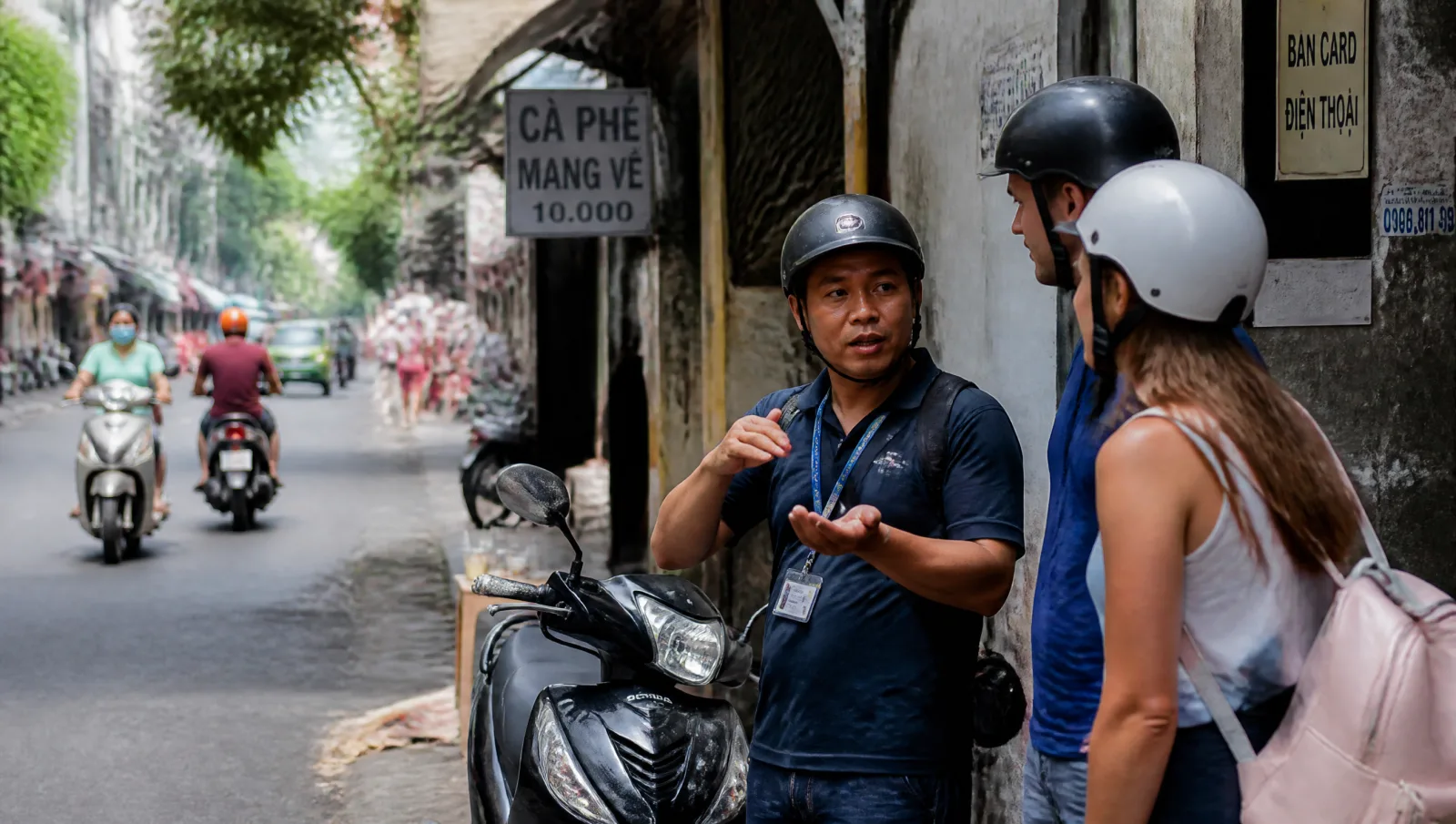

Safe motorbike riding in Vietnam starts with understanding that the biggest risk is not speed, but surprise. Dense traffic, mixed road behavior, sudden lane changes, and narrow streets can catch first-time riders off guard, especially in cities like Ho Chi Minh City or Da Nang. A calm plan, a proper helmet, and a few road habits can make the difference between an exciting ride and a stressful one.
If you are traveling as a solo rider, couple, or family, the goal is not to ride boldly, but to ride predictably. Keep your pace steady, leave space, and choose routes that match your confidence level. For travelers who want a safer way to explore local neighborhoods, Ho Chi Minh City tours or all Toward Local tours can be a smart alternative on days when traffic feels too intense.
Understanding Safe Motorbike Riding in Vietnam
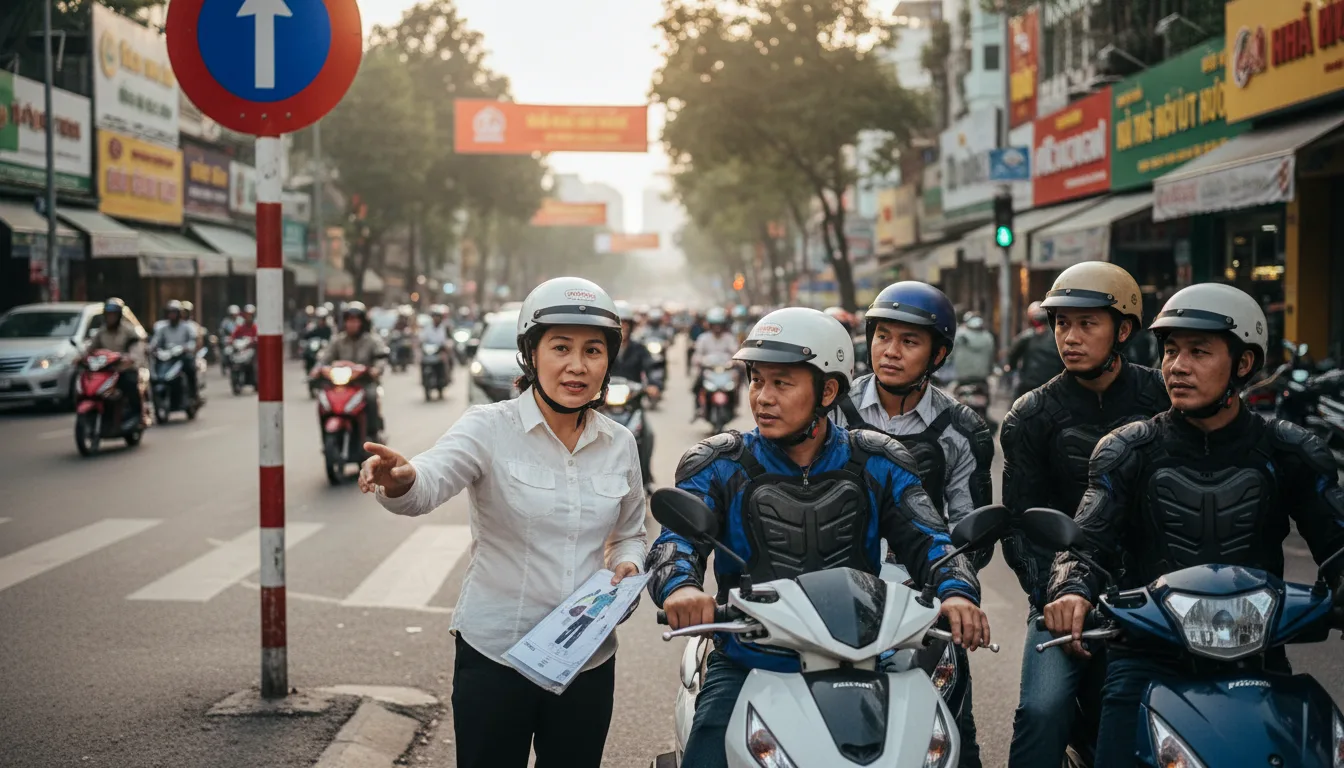
Safe motorbike riding in Vietnam means reading the road early, staying calm in mixed traffic, and adjusting your speed to what is happening around you. For first-time visitors, the biggest risk is not one single danger, but the constant change in lane position, speed, and road behavior. The good news is that with a few clear habits, safe motorbike riding in Vietnam becomes much more manageable.
Most travelers do best when they ride defensively and keep decisions simple. In cities, that means expecting sudden turns and crossing scooters. On open roads, it means watching for trucks, animals, and rough surfaces. If you are planning a local trip, a local travel experience can also help you understand how Vietnamese roads work before riding on your own.
What safe riding really means:
| Criteria | City roads | Highways | Rural roads |
|---|---|---|---|
| Best mindset | Slow, alert, predictable | Stable speed, wide focus | Flexible, cautious, ready to stop |
| Main risk | Sudden merges and crossings | Fast vehicles and wind | Potholes, livestock, poor lighting |
Why Vietnam feels different is simple: traffic often moves by negotiation more than strict lane discipline. You may see scooters filtering through tiny gaps, buses changing direction quickly, and pedestrians crossing where you least expect them. Worth knowing: eye contact matters more than horn use, because riders often signal intent with movement instead of waiting for a clear lane.
This is why cities like Ho Chi Minh City and Hanoi demand extra attention during rush hour. If you are planning a day out and want a softer way to experience local streets first, the Ho Chi Minh City tours page can be a useful reference. Riding there is possible, but it is much easier when you already understand how traffic flows in dense urban areas.
Be extra cautious in three situations: city centers, highways, and rural roads. In the city, leave more space than feels normal. On highways, avoid sudden lane changes and keep your attention far ahead. In rural areas, reduce speed before blind curves, because you may meet farm vehicles, children, or animals with little warning. A smart rule is to slow down first and decide second.
If you want to explore Vietnam with less stress, start with guided local experiences and short routes before attempting longer self-rides.
Safe motorbike riding in Vietnam means riding defensively, keeping speed moderate, and expecting unpredictable traffic. The safest approach is to stay visible, scan far ahead, and slow down early in cities, on highways, and on rural roads where road behavior changes fast.
For travelers who prefer a more structured introduction to local life, choosing a guided route can reduce risk and build confidence. Before you ride solo, learn the common traffic patterns, check your helmet and brakes, and pick roads that match your experience level. If you are planning a multi-city trip, browsing all Toward Local tours can help you compare options and choose a safer first step.
If your goal is to enjoy Vietnam without unnecessary stress, start with short, well-planned routes and local guidance, then build up to longer rides once you understand the road rhythm.
How to Apply Safe Motorbike Riding in Vietnam
Safe motorbike riding in Vietnam starts with preparation, not confidence. The traffic can feel unpredictable to first-time visitors, especially in big cities where scooters, buses, and taxis share tight roads. If you want a smoother trip, focus on the basics before you move: check your documents, test the bike, and ride with a calm, defensive mindset. That is the difference between enjoying the journey and reacting to it.
For beginners, the smartest approach is simple. Use a helmet that fits well, ride only if your license and insurance are valid, and keep your speed lower than local flow until you understand the rhythm of the road. If you are planning a city day or a longer route, this kind of safe motorbike riding in Vietnam helps you stay relaxed, visible, and in control.
Before riding a motorbike in Vietnam, check your license, helmet, brakes, lights, fuel level, and insurance. Then ride defensively, keep a safe distance, signal early, and match your speed to local traffic rather than trying to lead it.
Start with a pre-ride checklist. Confirm you have the right license for the bike category, a properly fitted helmet, working brakes, bright lights, enough fuel, and travel insurance that covers motorbike use. A quick 2-minute check prevents most avoidable problems. If you rent from a local operator, ask them to show you how the indicators, horn, and mirrors work before leaving.
| Criteria | Best practice | Why it matters | Quick check |
|---|---|---|---|
| License and insurance | Confirm coverage before departure | Protects you if something goes wrong | Keep documents accessible |
| Bike condition | Test brakes, lights, tires, and horn | Reduces breakdowns and low-visibility risk | Walk around the bike before riding |
Once you are moving, core habits matter more than road confidence. Keep your speed controlled, scan mirrors often, and leave enough spacing to brake safely when someone cuts in. Signal early, even if traffic around you seems chaotic, because your intention needs to be obvious. In cities like Hanoi or Ho Chi Minh City, lanes often feel fluid rather than fixed, so reading movement around you is more useful than trying to hold a perfect position. For travelers who want a local day out without the stress of self-navigation, Ho Chi Minh City experiences can be a smart alternative.
Real-world riding in Vietnam is about adaptation. In Hanoi, traffic can be dense and slow, so patience and steady speed matter most. In Da Nang, wider roads make spacing easier, but you still need to watch for sudden turns and crossing scooters. In Ho Chi Minh City, intersections can change quickly, so scan ahead, avoid aggressive overtaking, and stay predictable. If you are combining a ride with local exploring, it helps to compare options through all Toward Local tours before deciding whether to ride or join a guided plan.
The practical rule is this: stay visible, stay calm, and never assume other riders will stop for you. That mindset keeps couples, solo travelers, and families safer on unfamiliar roads.
If you want a trip that feels local without the stress of navigating traffic alone, choose your route carefully and pair motorbike days with guided experiences when needed.
Final takeaway: Safe motorbike riding in Vietnam comes from preparation, low-risk habits, and city awareness. Check your bike, ride defensively, and adjust to local traffic flow instead of forcing your own pace.
Use this checklist before every ride, and if you are unsure about road conditions, choose a guided local experience first so you can enjoy Vietnam with more confidence.
Benefits and Practical Uses of Safe Motorbike Riding in Vietnam
Safe motorbike riding in Vietnam gives travelers a practical way to move with less stress, more control, and better comfort on busy streets and mixed road conditions. For first-time riders and adventurous visitors, the benefit is not just safety in the narrow sense. It is the confidence to make smarter decisions at intersections, in traffic, and on unfamiliar routes.
This matters whether you are a solo traveler, a couple, or a family planning a local-style trip. When you ride with a clear system, travel feels smoother, delays are easier to manage, and the whole day becomes more predictable. That is especially useful in cities where traffic changes quickly and road behavior can feel unfamiliar at first.
Safe riding helps travelers reduce risk, stay calm in traffic, and enjoy Vietnam more comfortably. It is most valuable when moving through dense city streets, taking short scenic trips, or covering long distances where fatigue and road surprises can affect judgment.
| Criteria | City commuting | Day trips | Long-distance touring |
|---|---|---|---|
| Risk level | Higher in dense traffic and frequent turns | Moderate on familiar daytime routes | Rises with fatigue, weather, and road changes |
| Why safety matters | Helps with lane choice and quick reactions | Supports calm riding and better navigation | Improves endurance, focus, and decision-making |
Main benefits are easy to see in daily use. Reduced risk comes from better scanning, slower entry into turns, and fewer sudden moves. Better confidence comes from knowing how to handle local traffic flow, while smoother travel comes from avoiding mistakes that cause stops, stress, or unnecessary detours. A rider who plans ahead usually enjoys the road more and spends less energy reacting.
In real use, city commuting is where safe habits matter most. In Ho Chi Minh City travel, traffic can feel fast and crowded, so a rider who checks mirrors early and keeps steady spacing will move more comfortably. On day trips, safety helps when road surfaces change, such as narrow lanes, village roads, or coastal stretches. For this reason, many visitors pair independent riding with a local tour option when they want a lower-stress backup plan.
Safe riding matters most for tourists and first-time riders when they are tired, carrying luggage, riding after rain, or crossing unfamiliar junctions. It also matters on the first day, when confidence is still low and local traffic patterns have not become familiar. A simple rule helps: ride slowly enough to think clearly, and leave enough space to correct mistakes.
For travelers who want a practical balance of freedom and comfort, safe riding is not a restriction. It is the reason the trip feels easier, more local, and more enjoyable from start to finish. If your route includes dense traffic, rural turns, or a full-day schedule, applying these habits early can make a noticeable difference in how smoothly the journey unfolds.
If you want a more local experience with less planning pressure, consider routes and guided options that match your comfort level before you set off.
Choose the safest riding approach first, then build the rest of your Vietnam trip around it so you can explore more confidently and travel with fewer surprises.
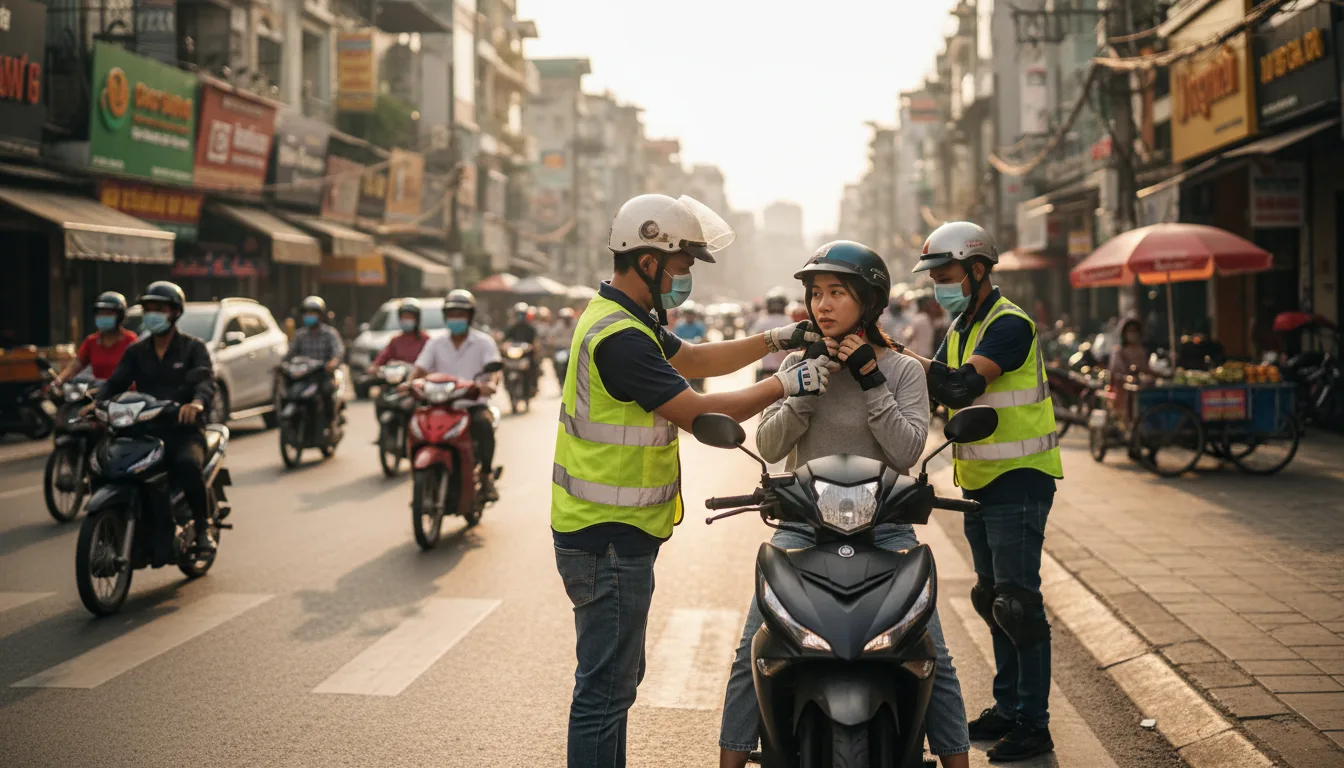
Choosing the Right Approach for Safe Motorbike Riding in Vietnam
Safe motorbike riding in Vietnam starts with choosing the right setup for your skill level, your route, and how much traffic stress you can handle. For many first-time visitors, the safest trip is not the most adventurous one, but the one that matches local road reality and keeps your attention on the road, not on panic.
If you are planning a city ride, a coastal loop, or a mountain pass, the best option may be self-riding, hiring a local driver, or joining a guided tour. The right choice depends on whether you want full freedom, extra support, or the lowest-risk way to explore without losing the local feel.
For most foreign travelers, the decision comes down to three questions: Can you handle mixed traffic, do you know how to read Vietnamese road behavior, and do you want to manage navigation yourself? If the answer is no to any of these, a local driver or small-group tour often gives you a safer and more relaxed day.
Self-riding gives the most freedom, but it also demands the most focus. You need to manage potholes, sudden lane changes, animals, rain, and tight city turns at the same time. That is why local tour options in Vietnam can be a smart middle ground for travelers who want adventure without taking unnecessary risks.
| Criteria | Self-riding | Local driver | Guided tour |
|---|---|---|---|
| Safety for beginners | Low | High | High |
| Freedom and flexibility | High | Medium | Medium |
| Stress on difficult routes | High | Low | Low |
When comparing bikes, automatic scooters are usually the easiest for urban riding because they remove gear changes and reduce workload in traffic. Manual bikes suit experienced riders more, especially on long scenic routes where engine control matters, while small scooters remain the most practical choice for short city transfers and light day trips.
Here is the simple breakdown: automatic for convenience, scooter for balance, manual for skill and control. If your route includes steep hills, gravel edges, or unpredictable weather, an easier bike often means safer decisions. This matters even more on routes that combine sightseeing with long distances, such as the Hoi An tours area where village roads and tourist traffic can change fast.
Choose self-riding only if you already ride confidently at home, stay calm in dense traffic, and can handle navigation without losing awareness. Choose a local driver if you want to observe the scenery, take photos, and avoid the pressure of road decisions. Choose a guided tour if you want route planning, local context, and a safer structure from start to finish.
The safest option is often the one that protects your energy, not just your balance. If you are a solo traveler, a couple, or a family looking for a local experience with less risk, start by matching the vehicle to the road, then the road to your ability. For the most relaxed trip, Da Nang tours can be a strong fit for riders who want scenic movement without guessing the route.
In short, safe motorbike riding in Vietnam is less about being fearless and more about making smart choices before you start the engine. Pick the vehicle that fits the route, choose the level of support that matches your confidence, and you will enjoy the journey with far less stress.
Common Mistakes, FAQs, and Final Safety Advice
Safe motorbike riding in Vietnam starts with honest self-checking: most problems happen when riders overestimate their skills, ignore local road rhythm, or skip simple protective gear. The good news is that a few practical habits can prevent most risks and make the trip smoother for solo travelers, couples, and families exploring local streets and rural roads.
If you are planning a self-guided ride, treat the road as a moving environment, not a sightseeing lane. Traffic in Vietnam can feel unpredictable at first, but once you understand speed control, lane awareness, and helmet discipline, safe motorbike riding in Vietnam becomes far more manageable. The goal is not to ride fast. The goal is to ride calmly, predictably, and with enough margin for mistakes.
Featured answer: The safest approach is to wear a certified helmet, check your license and insurance coverage, ride below your comfort speed, avoid night rides on unfamiliar roads, and assume that other vehicles may not follow the same priority rules you expect at home.
| Criteria | Safer choice | Risky choice | Why it matters |
|---|---|---|---|
| Helmet | Certified full-face or quality open-face | Loose, damaged, or decorative helmet | Impact protection and fit are critical |
| Riding style | Slow, defensive, predictable | Aggressive passing and speeding | Reduces mistakes in mixed traffic |
| Trip timing | Daylight and clear weather | Late night or heavy rain | Better visibility and fewer surprises |
One common mistake is assuming that a helmet rented with the bike is enough. In reality, the fit matters as much as the shell. A helmet that shifts when you turn your head is a poor safety choice, especially on bumpy roads or in city traffic. Before leaving, test the chin strap, visor, and balance, then replace anything that feels weak or worn.
Another frequent issue is riding too far on day one. Many visitors want a scenic loop immediately after arrival, but fatigue, jet lag, and unfamiliar road behavior can make that a bad decision. If you are starting in the south, consider a shorter warm-up ride and maybe pair it with a curated local experience such as Ho Chi Minh City local tours before taking on longer distances.
If you want a safer introduction to the country before riding solo, choose a guided route, observe traffic patterns, and use the first day to build confidence instead of chasing distance.
FAQ 1: Do I need a helmet in Vietnam? Yes. A proper helmet is essential for every rider and passenger. For best results, choose one that fits snugly, stays stable at speed, and does not block visibility.
FAQ 2: Do I need a motorbike license? Most travelers should confirm both their home-country license status and whether an International Driving Permit is valid for their situation. Rental shops may hand over a bike, but that does not automatically mean you are legally covered.
FAQ 3: Does insurance cover motorbike accidents? Sometimes, but not always. Coverage often depends on license compliance, engine size, and whether you followed rental conditions. Read the policy carefully before signing anything.
FAQ 4: Are traffic laws strict in practice? Yes, and enforcement can vary by city and province. Speed, helmet use, lane discipline, and alcohol rules all matter, so treat them seriously even if the road looks relaxed.
FAQ 5: What should I do before every ride? Check brakes, tires, lights, fuel, mirrors, phone mount, and weather. If anything feels off, delay the ride. Small fixes now are far cheaper than problems later.
For travelers combining road time with food or coastal exploration, a balanced plan often works best. You can ride in daylight, stop often, and use local knowledge to avoid stressful routes. In central Vietnam, for example, some visitors choose a slower pace around Da Nang travel experiences or shorter regional loops before committing to longer mountain stretches.
The final checklist is simple. Wear a proper helmet, keep your speed conservative, carry your documents, never drink before riding, avoid unfamiliar roads after dark, and choose insurance that clearly covers your riding plan. If you follow those basics, safe motorbike riding in Vietnam becomes a practical travel style, not a gamble.
Before you set out, ask one question: do I want to remember the journey, or the mistake? A responsible pace gives you both freedom and control, which is exactly what adventurous travel should feel like.
Final CTA: If your goal is a local, flexible, and safer travel experience, plan your route carefully, ride only when rested, and explore more of Vietnam with confidence.