
What to wear in Vietnam can feel tricky at first because the country mixes hot humidity, sudden rain, cool mountain air, and dress norms that change from temples to cities. The easiest answer is to pack lightweight clothing that still looks neat, with breathable fabrics and modest dress options ready for daily plans, temple visits, and local transport.
This guide helps you choose outfits based on weather, activities, and cultural expectations, so you can travel comfortably without overpacking or standing out for the wrong reasons. If you are planning street food stops, coastal days, or a stop in Hoi An, the right clothes make the trip smoother, and a practical day out starts well when you can also explore Hoi An with local experts without worrying about what to wear between stops.
What to Wear in Vietnam Based on Weather and Region
What to wear in Vietnam depends on heat, humidity, rainfall, and where you are traveling. The same outfit that feels perfect in Ho Chi Minh City can feel too light in Hanoi or too wet in the central coast. For solo travelers, couples, and families planning a local trip, the goal is simple: stay comfortable, dress respectfully, and pack pieces that work across changing weather.
Vietnam is easy to dress for once you understand the pattern. The best strategy is not to overpack, but to choose breathable fabrics, add one rain layer, and keep one warmer piece for mountain areas. If you are building a flexible itinerary, all Toward Local tours can also help you match your clothing choices to the region you will explore.
Wear lightweight, breathable clothes in Vietnam, then adjust by region. South Vietnam stays hot and humid, central Vietnam needs rain protection, and northern or highland areas can be cooler. Pack shorts, covered tops, a rain jacket, and one warm layer so you can move between cities, beaches, and mountains without stress.
Vietnam’s climate at a glance
Vietnam has three main weather realities: hot and humid lowlands, rainy season bursts, and cooler mountain zones. That means what to wear in Vietnam changes by day, not just by city. Cotton and linen work well for daily wear, while quick-dry fabrics are better when you expect sweat or sudden showers.
A practical example: in the south, a T-shirt and light trousers feel right for city walks, but the same outfit in Da Lat may need a thin jacket after sunset. If you are pairing food and city experiences in Ho Chi Minh City, HCMC food tours are easier to enjoy when you wear closed shoes and airy clothes that handle heat and walking.
| Region | Weather pattern | Best clothing choice | Key fabric |
|---|---|---|---|
| North | Four seasons, cold winter, hot summer | Layers, light jacket, rain shell | Cotton, fleece, linen |
| Central and South | Hot, humid, rainy spells | Breathable tops, shorts, poncho | Linen, quick-dry, cotton |
How the North, Central, and South differ
The North asks for flexibility. Hanoi can feel cool in winter and sticky in summer, while mountain areas such as Sapa need real warm layers. Central Vietnam is the region where rain can change the plan fast, so pack something that dries quickly. In the South, the main issue is heat, not cold, so light clothing and sun protection matter most.
Travelers often overpack heavy clothes for Vietnam and still forget the one thing that matters most, a light outer layer. A thin jacket solves air-conditioned buses, cool evenings, and surprise weather shifts better than bulky items that take up suitcase space.
When seasonal changes matter most
Seasonal changes matter most in the North from November to February, in the central coast during the rainy months, and in highland destinations year-round. If you are planning a beach day, casual market visit, or a slower route through local neighborhoods, choose pieces you can add or remove easily. That keeps you ready for weather and for modest dress expectations at pagodas or village stops.
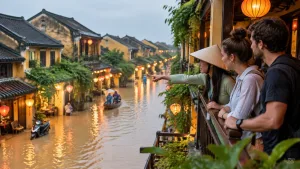
For Da Nang and Hoi An, the timing of rain is especially important, because wet streets make footwear and hems matter more than usual. If that is part of your route, Da Nang tours and Hoi An tours are easier to enjoy with sandals for dry hours, a packable rain layer, and one outfit that can move from sightseeing to dinner without a change.
Build your Vietnam packing list around region first, then season, then activity. That simple order helps you travel lighter, stay comfortable, and avoid last-minute shopping once you arrive.
Hot and humid conditions
Hot weather in Vietnam is best handled with loose fits, light colors, and fabrics that breathe. Short sleeves are fine in most cities, but avoid anything so tight that it traps sweat. A clean, simple outfit will usually look better than a fashion piece that makes you uncomfortable after one hour on the street.
For everyday exploring, think in combinations: breathable top, light trousers or shorts, and supportive shoes. This works for markets, cafes, and neighborhood walks, especially when you want to blend in with local pace rather than dress like you are only there for photos.
Rainy season packing needs
Rainy season in Vietnam does not always mean all-day rain, but it does mean sudden downpours and wet sidewalks. A compact umbrella helps in cities, while a light poncho is smarter if you ride a motorbike or join outdoor transfers. Quick-dry clothing and sandals that handle water are small choices that make a big difference.
One useful rule: if your item takes too long to dry, leave it at home. Wet jeans, heavy shoes, and thick cotton can turn a simple day trip into a soggy one. Travelers who plan active days outdoors usually do better with a spare shirt in the day bag and one weatherproof layer ready to go.
Mountain and cooler-weather exceptions
Mountain destinations are the main exception to Vietnam’s tropical image. In Sapa, Ha Giang, Da Lat, and other highland areas, evenings can be cool and mornings can feel crisp. A sweater, light fleece, or thin insulated jacket gives you far more comfort than a summer-only wardrobe.
If your trip includes trekking, hill villages, or long scooter rides, choose shoes with grip and clothes that can layer cleanly. The weather can shift fast in the mountains, so one warm layer and one rain layer are often more valuable than three extra casual outfits. For adventurous travelers, that small adjustment keeps the trip comfortable without adding bulk.
Final CTA: pack for movement, not for fantasy. Vietnam rewards travelers who dress for the actual region and weather they will face, and the right choices will keep you cooler, drier, and more confident from the first day to the last.
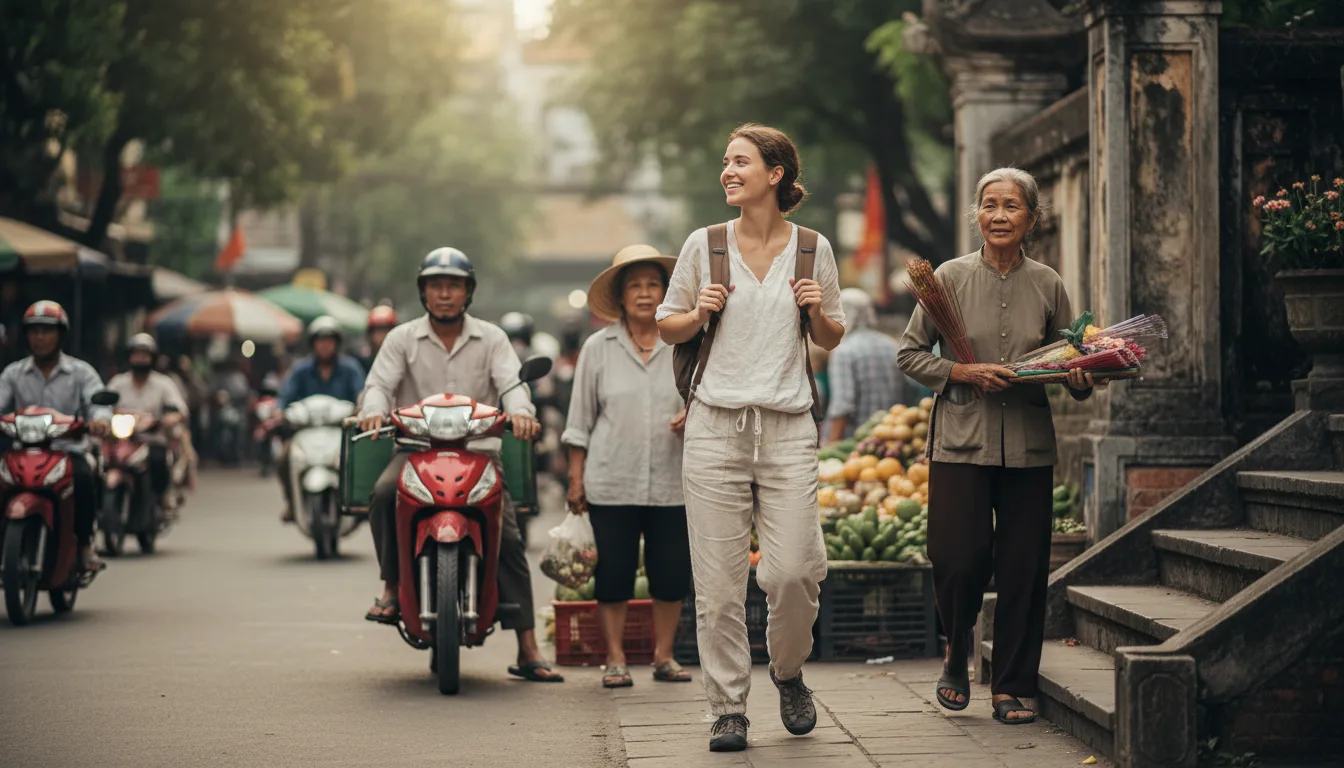
How to Dress Comfortably for Different Activities in Vietnam
What to wear in Vietnam depends less on fashion and more on where your day takes you. A temple, a motorbike ride, a beach lunch, and a rooftop dinner each ask for a different level of coverage, breathability, and polish. The good news is that Vietnam is forgiving, so a smart travel wardrobe can handle most situations with only a few quick changes.
If you are planning city walks, island trips, or cultural visits, aim for clothes that look neat, dry fast, and move well in heat and humidity. That approach keeps you comfortable, avoids awkward attention, and helps you blend in better with local norms. It also means fewer packing mistakes and more time enjoying the trip instead of thinking about your outfit.
In Vietnam, dress for comfort, modesty, and movement. Choose breathable fabrics, cover shoulders and knees for temples, wear closed shoes for motorbike travel, and keep a light layer for air-conditioned spaces. A scarf, compact umbrella, and quick-dry clothing solve most packing problems across cities, beaches, and cultural sites.
City sightseeing and walking days
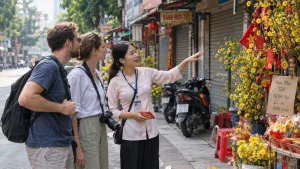
For long walks in Hanoi, Ho Chi Minh City, or Hoi An, the best outfit is simple: breathable top, lightweight trousers or modest shorts, and shoes you can wear all day. Cotton, linen, and bamboo blends work well in heat, while heavy denim quickly becomes uncomfortable. If you want a smooth sightseeing day, think in layers that can move from sun to shade and from street to café without feeling out of place.
For solo travelers and couples doing a full day on foot, a clean, relaxed look also helps at lunch spots and cafés where locals notice small details. A helpful rule is to dress one step neater than the most casual people around you. If you are exploring with Toward Local tours, that same outfit usually works for market visits, neighborhood stops, and short cultural breaks without needing a change.
In Vietnamese cities, comfort does not mean sloppy. A neat T-shirt, straight trousers, and comfortable sneakers often look more appropriate than overly sporty travel clothes.
| Activity | Best outfit | Avoid | Why it works |
|---|---|---|---|
| City walking | Breathable top and light trousers | Heavy jeans and dark synthetics | Cooler, cleaner, easier to move in |
| Temple visit | Covered shoulders and knees | Tank tops and short shorts | Matches local respect standards |
Beach, island, and resort outfits
At the beach, swimwear is normal on the sand and in the water, but it should stay there. Once you leave the shoreline, add a cover-up, loose shirt, or sarong. On islands and in resort areas, light dresses, airy shirts, and shorts are fine, especially in places like Da Nang or Phu Quoc where the pace is casual and sunny. If your plan includes a coastal day followed by dinner, choose pieces that can move from pool to restaurant with one quick swap.
For travelers heading to the central coast, Da Nang tours are a good example of how flexible beachwear can be when paired with a neat wrap, sandals, and a light shirt. A soft cotton layer over swimwear is often enough to look presentable in cafés, lobbies, and seaside promenades.
In beach towns, the smartest outfit is usually one that dries fast, covers easily, and still looks polished over lunch.
Motorbike travel and outdoor adventures
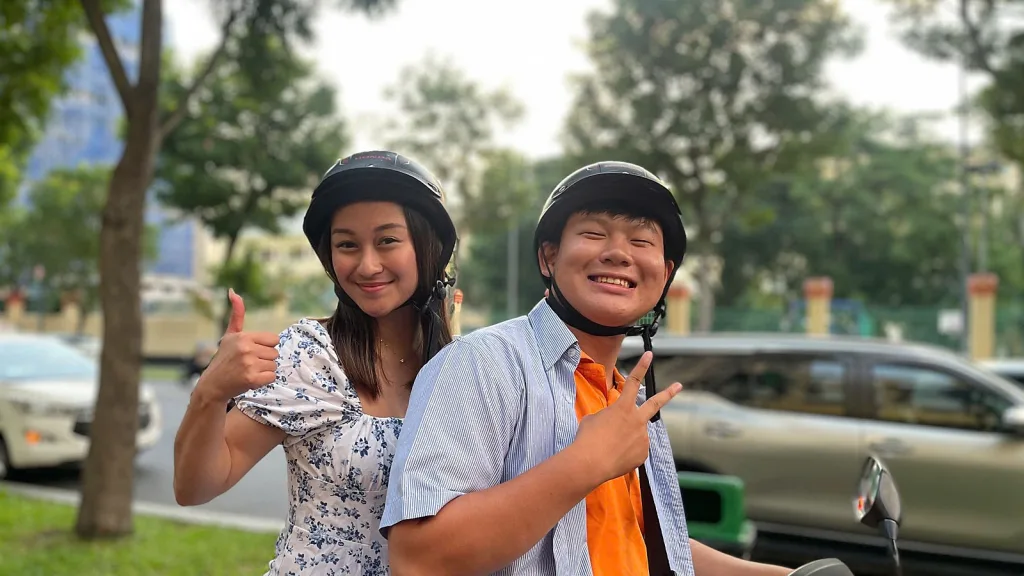
For motorbike rides, trekking, and countryside trips, protection matters more than style. Long trousers, closed shoes, and a light long-sleeve layer help against sun, dust, and road spray. In rainy season, quick-dry fabrics are a major advantage because a sudden shower or muddy trail can soak light clothing fast. If you are visiting northern hills or rural roads, choose clothing that can handle movement, heat, and a bit of rough weather.
This is especially useful if your route includes scenic stops around central Vietnam, where a day can shift from city streets to open roads very quickly. On more adventurous itineraries, Hoi An tours often combine countryside cycling, craft visits, and outdoor time, so a practical outfit with a sun hat and closed footwear makes the day easier.
Temple visits and cultural sites
Temples and pagodas require the most modest dress of any activity in Vietnam. Covered shoulders, covered knees, and a calm, neat look are the basic rules. A scarf or light overshirt is the easiest backup if you are coming straight from sightseeing. Remove hats and shoes when required, and avoid clothing that is sheer, tight, or overly revealing. At major sites, staff may provide a cover, but smaller places expect you to arrive prepared.
If you only remember one rule for what to wear in Vietnam, make it this: carry one modest layer every day. It turns a beach or city outfit into temple-appropriate clothing in seconds and keeps you ready for spontaneous stops.
Business or dining dress codes
Vietnam is casual overall, but business meetings and upscale restaurants still appreciate polish. Men usually do well in a clean shirt, smart trousers, and closed shoes. Women can choose a simple dress, blouse, or tailored separates. You do not need formal wear unless the invitation says so, but neat and understated is always safer than loud or overly casual. In dining settings, especially in major cities, a tidy look signals respect and makes service interactions smoother.
Day-to-night outfit adjustments
The easiest day-to-night strategy is to start with a base outfit that works in both settings, then add one small upgrade later. For example, change sandals to cleaner shoes, add a light jacket, or swap a day tote for a compact crossbody bag. A travel capsule like this saves packing space and avoids the need to go back to your hotel before dinner. For many visitors, that single adjustment is enough to go from street food to a rooftop bar without overthinking it.
If you are building a Vietnam itinerary, choose outfits that can handle heat, walking, and modesty in equal measure. The right clothing makes every activity feel easier, from temples and markets to beaches and evening dining.
Pack one breathable city outfit, one modest layer, one beach cover-up, and one adventure-ready set, and you will be ready for almost every day in Vietnam without wasting time on outfit changes.
Best Clothing Choices for Heat, Humidity, and Rain
What to wear in Vietnam depends less on fashion and more on comfort, weather, and respect. Heat, humidity, sudden rain, and long walking days can make the wrong outfit feel heavy fast. The best clothing choices are light, breathable, quick-drying, and easy to layer when the weather changes.
For most travelers, the goal is simple: stay cool in the city, dry in the rain, and covered enough for temples, villages, and local neighborhoods. If you are planning a flexible route, a smart capsule wardrobe will make moving between Toward Local tours and independent exploring much easier.
The best clothing for Vietnam is breathable, quick-dry, and modest enough for temples and rural areas. Choose linen, cotton, bamboo, or lightweight technical fabrics. Wear supportive shoes that handle rain, and pack a scarf, compact rain layer, and sun protection for daily changes in weather.
Breathable fabrics are the foundation. Linen, cotton, and bamboo blends handle sweat better than heavy synthetics, especially in hot cities like Ho Chi Minh City and coastal areas like Da Nang. A loose shirt and light trousers often feel better than shorts when you are walking all day because they reduce sun exposure and dry faster after rain. This is one of the easiest answers to what to wear in Vietnam if you want comfort without standing out.
Footwear matters just as much. A pair of broken-in sneakers or walking sandals works in most places, while waterproof or fast-drying shoes are useful during rainy months. For temple visits or nicer dinners, closed shoes look cleaner and feel more versatile. If your route includes beach time and old streets, you can pair city walks with a relaxed evening in Hoi An tours without changing your whole wardrobe.
Sun protection is easy to overlook until you spend three hours outside. A brimmed hat, sunglasses, and a lightweight long-sleeve layer help more than strong sunscreen alone. In the south, many travelers also carry a thin overshirt to handle motorbike rides and intense midday sun. The practical rule is to dress for shade, not just style.
| Criteria | Best Choice | Why It Works | Best Use |
|---|---|---|---|
| Fabric | Linen or cotton blend | Breathes well and feels cooler | City walks, casual dining |
| Footwear | Walking sandals or sneakers | Works in wet and dry conditions | Markets, day trips, light trekking |
Avoid heavy jeans, thick polyester, and overly tight clothes. Jeans stay wet too long in humid weather, and synthetic fabrics can trap sweat until you feel sticky by midday. Very short shorts, sheer tops, and revealing outfits can also create problems in temples and local villages. A better approach is to pack a few versatile pieces you can mix and match rather than many single-use outfits.
For men, a light button-up shirt, breathable T-shirts, quick-dry trousers, and one pair of smart shorts cover most situations. For women, a loose blouse, midi dress, lightweight pants, and a scarf give you flexibility from city streets to religious sites. If you want a softer travel style, Toward Local Da Nang Tours can fit easily into a day when you are dressed for heat and sudden rain.
Use layering as a strategy, not a burden. A thin jacket, rain shell, or overshirt can turn one outfit into three useful versions. That matters in Vietnam because weather, transport, and dress expectations can shift within the same afternoon. Pack for movement, pack for weather, and pack for modesty, and your trip becomes easier from the first day to the last.
If you want to explore Vietnam with less packing stress and more local insight, choose clothes that work across markets, temples, food streets, and coastlines, then build the rest of your trip around it.
For travelers who want the easiest possible planning experience, browse all tours of Toward Local and match your wardrobe to the routes, seasons, and experiences you actually want to enjoy.
What to Wear in Vietnam: Packing List and Outfit Planning
What to wear in Vietnam depends less on fashion and more on movement, heat, humidity, and respect for the places you visit. A smart packing plan keeps you comfortable in cities, temples, beaches, and overnight buses without carrying a heavy suitcase. The goal is simple: pack light, dress with flexibility, and be ready for sudden weather changes.
For first-time visitors, the safest approach is a capsule wardrobe built around breathable layers, modest pieces, and two pairings that can shift from day to night. That way, one outfit can handle a pagoda stop in Hanoi, a café in Ho Chi Minh City, and a sunset dinner in Hoi An without feeling overpacked or underprepared.
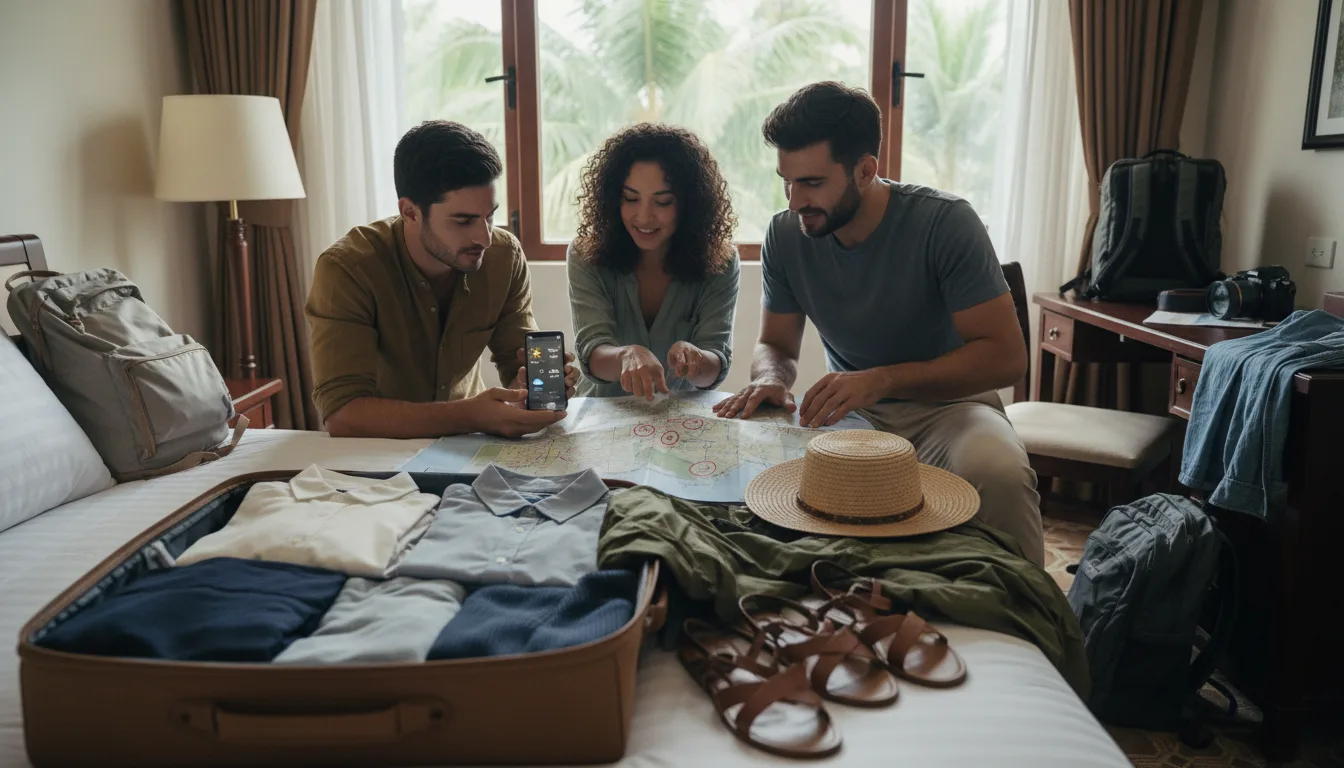
Pack 5 to 7 tops, 2 to 3 pairs of lightweight trousers, 1 pair of shorts, 1 modest dress or long skirt, 1 light layer, 1 rain shell, comfortable walking shoes, sandals, and a scarf or sarong. This combination works for most Vietnam itineraries and makes temple visits, city walks, and day trips much easier.
For a 1 to 2 week trip, focus on versatile basics that dry fast and layer well. Linen shirts, cotton tees, quick-dry trousers, and a compact outer layer cover most situations. If you plan to explore multiple regions, keep one outfit that works for cooler northern evenings and one that feels relaxed in southern heat. Travelers who want a smoother route through the south can pair this planning with Ho Chi Minh City tours for an easier city flow.
A minimalist packing strategy works best if you like moving fast and washing clothes often. Bring fewer pieces, but make sure each item can do more than one job. For example, a long shirt can work as sun protection, temple coverage, and an evening layer. A flexible strategy suits couples and families better because it leaves room for weather shifts, souvenirs, and changing plans. If your route includes the central coast, Da Nang tours are easier to enjoy when your clothes handle both beach weather and city stops.
Accessories often solve the real comfort problems. A wide-brim hat reduces sun fatigue. A small umbrella helps with rain and harsh midday heat. A scarf or sarong makes temple visits easy and also doubles as a cover on cold buses or over-airconditioned cafés. The best travel wardrobe is not the most stylish one, but the one that keeps you moving without interruption.
| Criteria | Minimalist packing | Flexible packing | Best for |
|---|---|---|---|
| Number of items | Lower, easier to carry | More options, more bulk | Solo travelers who move often |
| Comfort level | Efficient but limited | Better for weather changes | Couples and families on mixed routes |
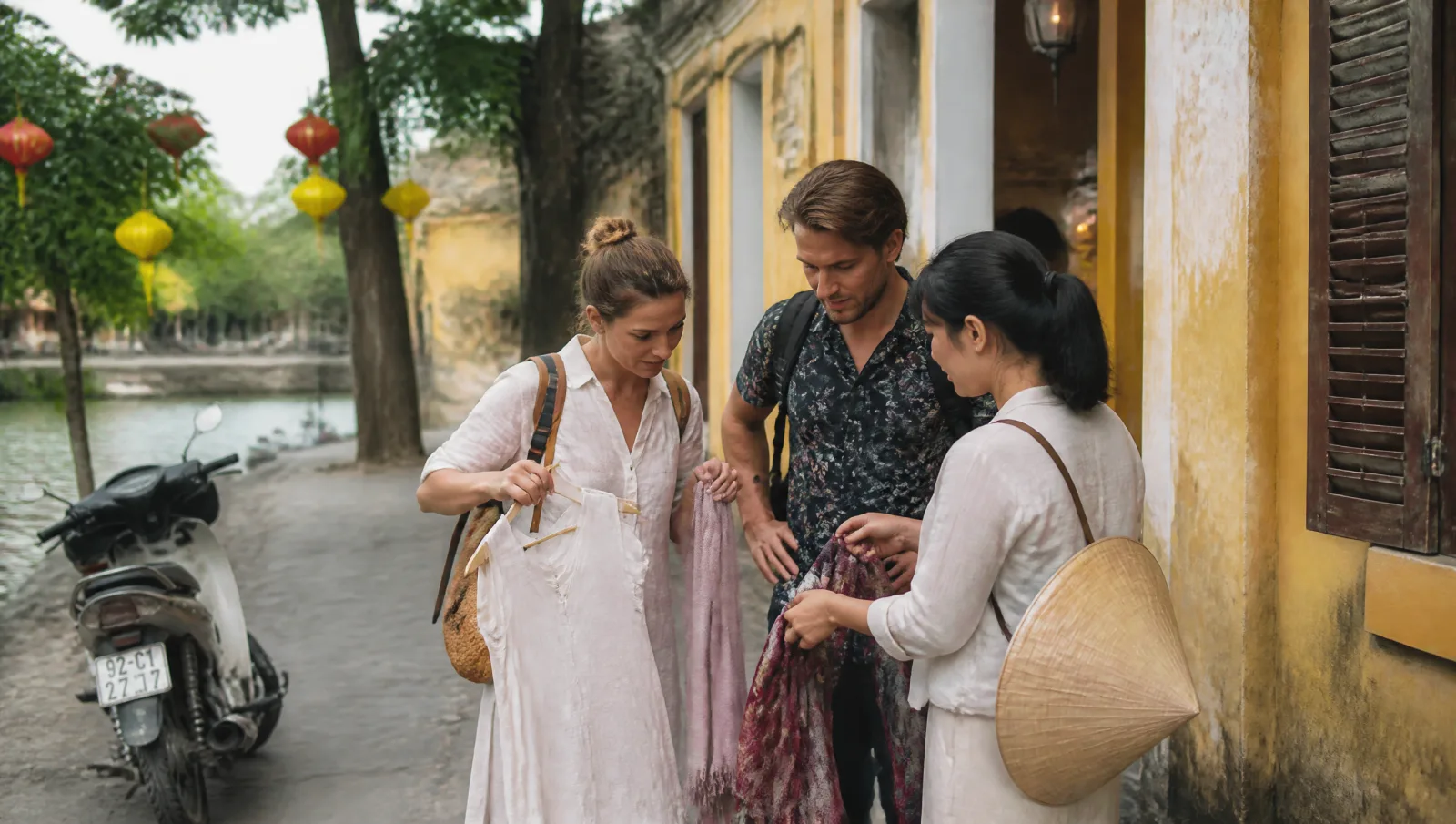
Building a capsule wardrobe for Vietnam starts with a color palette that mixes easily, such as beige, navy, white, olive, or black. Choose fabrics that breathe and dry quickly, then add one or two pieces that feel polished enough for nicer restaurants or tailored clothes fittings. In Hoi An, for example, many travelers bring a half-packed bag and leave with custom outfits, so leaving a little space is practical. If that fits your route, browse Hoi An tours to match the relaxed style of the town.
Seasonal differences matter more than many visitors expect. Northern Vietnam can feel cool in winter, central Vietnam gets intense rain later in the year, and the south stays hot for much of the year. That means one jacket is useful for Hanoi, a rain layer matters in Da Nang, and sun protection is essential in the Mekong region. Common mistake: packing for just one climate and assuming the whole country feels the same. For travelers who want a broader plan, all Toward Local tours can help shape an itinerary that matches the season instead of fighting it.
Common packing mistakes include heavy jeans, too many shoes, and clothes that cannot handle humidity. Jeans stay wet too long after rain, extra footwear eats space, and synthetic fabrics can feel sticky by midday. The smarter move is to test each item before you leave and ask one question: can I wear this in heat, on transport, and in a modest setting. If the answer is yes, it earns a place in your bag.
Build your packing list around the route, not the suitcase. When your wardrobe fits the weather and the culture, every day in Vietnam feels easier, from street food stops to temple visits to long transfer days.
Pack smarter now so you can travel lighter later. Use this chapter as your Vietnam outfit checklist, then adjust it for the north, central coast, or south before departure so you arrive prepared, comfortable, and ready to explore.
FAQs, Common Mistakes, and Final Tips for What to Wear in Vietnam
What to wear in Vietnam depends on where you are going, how you move, and how much respect the setting asks for. The country is relaxed in many places, but temples, villages, and some local neighborhoods still expect modest clothing. If you pack with flexibility in mind, you can stay comfortable, avoid awkward moments, and blend in more naturally from city streets to sacred sites.
Most travelers overpack the wrong pieces and underpack the useful ones. The smartest approach is a small wardrobe built around breathable fabrics, one cover-up layer, and shoes that can handle walking, heat, and sudden rain. That gives you enough range for Hanoi, Ho Chi Minh City, Hoi An, and day trips without carrying a heavy suitcase everywhere you go.
| Situation | Best choice | Avoid | Why it matters |
|---|---|---|---|
| Temple visit | Covered shoulders and knees | Tank tops and short shorts | Shows respect and avoids being turned away |
| City walking | Light trousers and breathable tops | Heavy jeans and dark synthetics | Keeps you cooler and more comfortable |
A common mistake is dressing for the weather only and ignoring the setting. A sleeveless top may feel perfect in the heat, but it becomes a problem at a pagoda or rural home. Another frequent issue is choosing fashion over function, especially with shoes. If you plan to use local transport or walk through wet streets, all Toward Local tours are easier to enjoy when your outfit can handle movement, humidity, and a little rain.
Can you wear shorts in Vietnam? Yes, in beach areas, casual city neighborhoods, and most everyday settings. Do you need long pants for temples? Yes, or at least a skirt or loose trousers that cover the knees. What shoes are best? Closed, broken-in walking shoes for cities and simple sandals for relaxed days. Rainy season calls for quick-dry clothes, a compact umbrella, and one light outer layer that dries fast after sudden showers.
The final rule is simple: pack smart, dress respectfully, and adjust by destination and season. If you are heading south, stay light and breathable. If you are visiting temples or rural areas, keep a modest layer ready. If you want a food-focused break in the city, Ho Chi Minh City food tours fit best with clean, comfortable clothes that work from lunch stalls to evening streets. A flexible wardrobe will always travel better than a perfect one.