
Vietnam typhoon season can disrupt flights, cruises, and coastal plans fast, especially if you are only in the country for a short trip. The biggest risk is not constant rain, but losing one key day to cancellations, flooding, or rough seas. Knowing when the storms peak, and which regions stay usable, gives you a much better way to plan.
For most travelers, the smart move is not to avoid Vietnam altogether, but to route around the weather. If you are eyeing the central coast, watch the calendar closely and keep flexibility in your booking. A trip that includes northern cities, inland stops, or a weather-safe backup can still feel smooth, even during the best local tours and busy travel months.
Vietnam Typhoon Season Overview
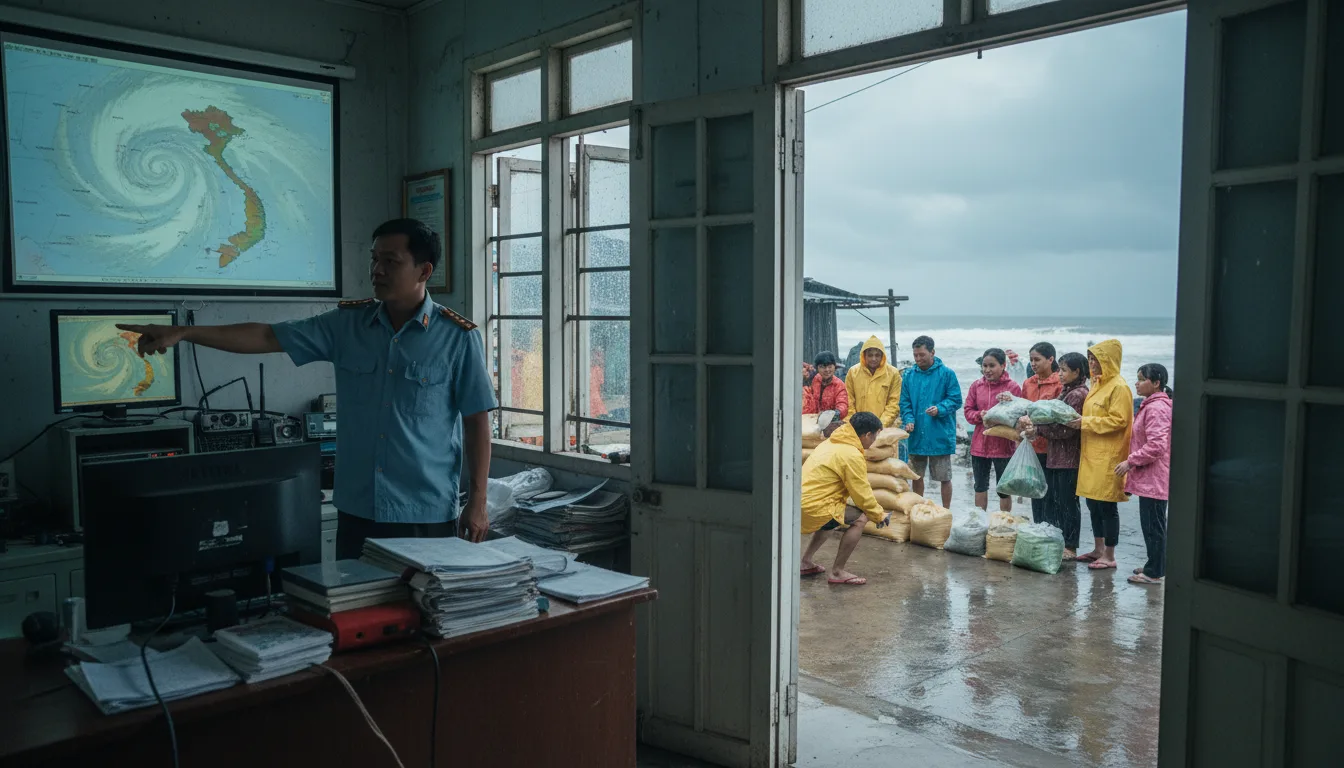
Vietnam typhoon season usually runs from June to November, with the highest risk shifting by region instead of hitting the whole country at once. For travelers, that means the smarter move is not canceling Vietnam, but matching your route to the safest coast, city, or mountain window.
If you are planning a first trip, this matters because one wet week can still leave most of the country perfectly usable. A couple can enjoy quieter streets, solo travelers can stay flexible, and families can reduce risk by avoiding storm-prone dates on the central coast. The key is simple: know where the storms land, then book around them.
Vietnam typhoon season refers to the period when tropical systems bring strong winds, heavy rain, rough seas, and occasional flooding. In practice, it is less about constant danger and more about regional timing. The north is usually affected earlier, the central coast later, and the south often sees short, heavy downpours rather than full shutdowns.
Vietnam typhoon season is the months when tropical storms affect different parts of the country, mainly from June to November. The north is more exposed in midsummer, the central coast is highest risk from September to November, and the south mostly gets wet-season rain. Travel is still possible with flexible routing and buffer days.
| Criteria | North | Central Coast | South |
|---|---|---|---|
| Typical risk window | July to September | September to November | May to October |
| Best practical use | Autumn city breaks and mountain trips | Spring and early summer beach trips | Winter beach breaks and food-focused city stays |
A useful rule for adventurous travelers is to treat the country like three different weather trips in one. If the central coast looks unstable, shift north to Hanoi or Ninh Binh; if the north is stormy, keep the coast or the south as your fallback. That flexibility is what keeps a weather-heavy season from ruining the trip.
For a smoother plan, many travelers pair a storm-season overview with a city base that has strong indoor options and short moving parts. If you want a local, food-first stop while waiting out rain, all Toward Local tours can help you build a softer landing between beach days and weather changes. The best approach is to stay mobile, keep at least one buffer day, and avoid locking your final coastal night too close to an international flight.
In short, Vietnam typhoon season is manageable when you read it as a routing challenge, not a travel warning. Use the calendar, watch the region, and book with flexibility so the weather works around your trip instead of against it.
Plan your Vietnam route with weather in mind, keep your dates flexible, and choose the region that fits the season. If your trip includes the central coast, add a buffer day, check storm forecasts before every transfer, and build the itinerary so you can reroute fast when conditions change.
How Vietnam Typhoon Season Affects Different Regions
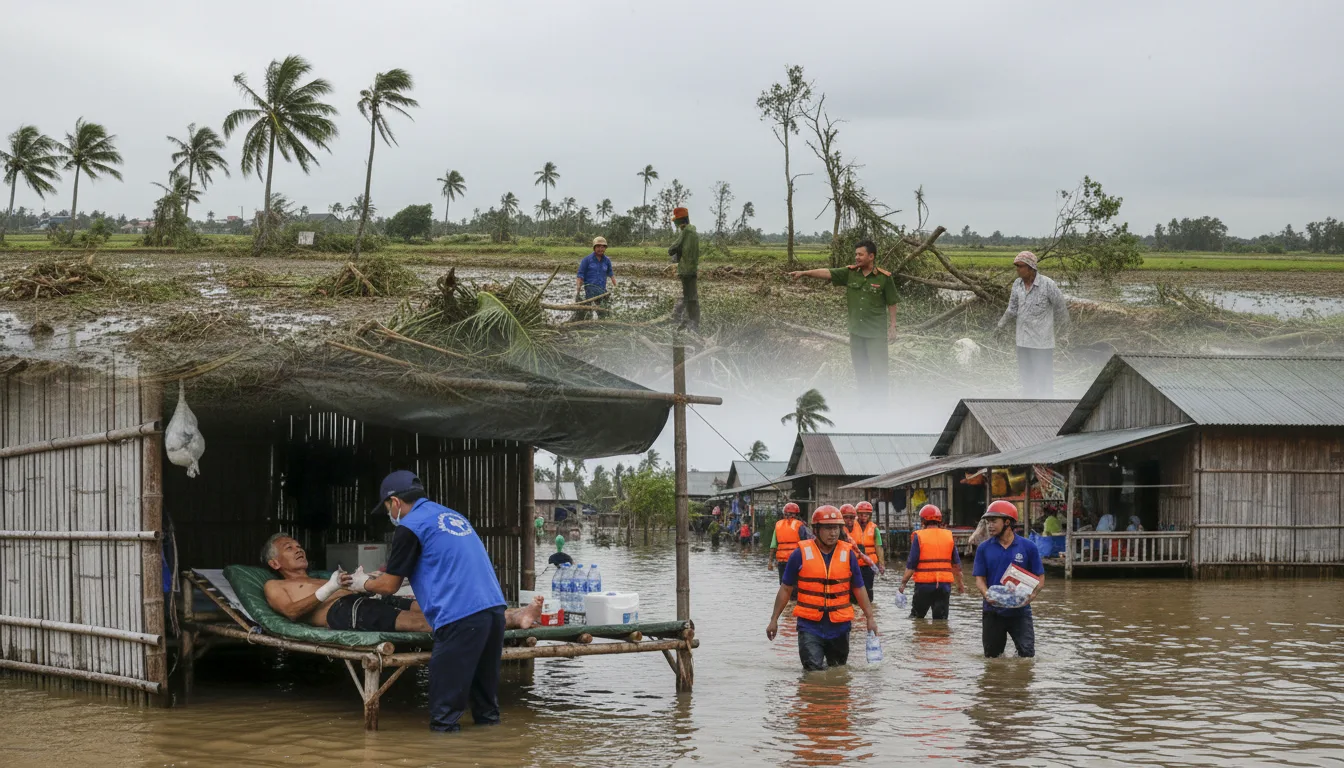
Vietnam typhoon season does not hit the country evenly, and that is the key thing most travelers miss. A storm that floods the central coast can leave Hanoi bright and dry, while the south may only see short tropical downpours. If you are planning a local, adventurous trip, the smart move is to match each region to its risk window instead of avoiding Vietnam altogether.
For first-time visitors, this usually means one simple rule: keep flexibility in your route. Northern Vietnam is often the safer bet when the central coastline is disrupted, while the central cities can be excellent outside peak storm months. The real payoff is that you can still travel well, just with better timing and a better plan.
Vietnam typhoon season affects each region differently. The north is more exposed from July to September, the central coast is most vulnerable from September to November, and the south is usually affected by heavy rain rather than direct typhoons. Travelers should plan around region-specific weather patterns, not a single nationwide storm season.
| Region | Main Risk Window | Typical Impact | Best Travel Logic |
|---|---|---|---|
| Northern Vietnam and the Red River Delta | July to September | Heavy rain, rough seas, mountain landslide risk | Visit in autumn or spring |
| Central Vietnam, the most exposed coastline | September to November | Flooding, wind disruption, transport delays | Go February to August |
Northern Vietnam and the Red River Delta. This region usually feels the early phase of the season first, especially around Hanoi, Ha Long Bay, and the mountain routes toward Sapa. In practical terms, that means heavier showers, slippery roads, and occasional cruise changes rather than a total shutdown. A couple visiting in late summer may still get a great trip, but they should avoid tight schedules and keep one spare day for weather delays. For a slower, food-first itinerary, all Toward Local tours can help you build a flexible route without locking everything too early.
The north is often the best escape route when the central coast is flooding, so do not assume the whole country is equally affected.
Central Vietnam, the most exposed coastline. This is where the real typhoon pressure lands, especially in Da Nang, Hoi An, and Hue. Flooding can hit low areas fast, roads can close for a short time, and beach days often turn into café, market, and old-town days. That is not a reason to skip the region, but it does change the experience. If your trip includes Hoi An or Da Nang, book weather-sensitive plans in the middle of the itinerary, and keep a backup day for transfers or a shift inland. If you want to balance the coast with city food and a softer landing, explore all Toward Local tours before finalizing your route.
If you are building a local-style Vietnam itinerary, choose the region first, then choose the month. That one decision removes most of the weather stress.
In short, the safest way to think about Vietnam typhoon season is region by region. The north is more exposed earlier, the central coast is the main impact zone later, and the south usually sees rain rather than direct storm hits. For adventurous solo travelers, couples, and families, that means you can still travel comfortably if you route intelligently and avoid overcommitting to one coast at the wrong time.
Pick the right region, leave buffer days, and book flexible plans. That is how you stay in control when the weather turns.
How to Prepare for Vietnam Typhoon Season
Vietnam typhoon season can change a smooth itinerary into a chain of delays, wet streets, and last-minute transport changes. The smartest way to travel is not to avoid the season completely, but to prepare for weather shifts, pack for sudden rain, and keep your booking plan flexible enough to absorb disruption.
That matters most for adventurous travelers who want local experiences in places like Hoi An, Da Nang, Hanoi, or the islands. A few practical decisions before you fly can protect your time, your budget, and your mood, especially if you are moving between cities by plane, train, or private transfer.
Prepare for Vietnam typhoon season by checking weather daily, packing a rain-ready day bag, and booking flexible hotels, flights, and tours. Keep one buffer day between coastal moves, avoid tight connections, and treat storm forecasts as route-planning signals rather than trip-stopping emergencies.
Before you lock your route, look at the forecast for each region separately, because the south, central coast, and north do not behave the same way. A clear week in Hanoi can still overlap with flooding in Hoi An, and that is where flexible booking pays off. If you want a local-food day between weather checks, explore HCMC food tours or browse all Toward Local tours for weather-friendly ideas.
| Criteria | Best option | Why it helps | Travel note |
|---|---|---|---|
| Weather check | City-level forecast | Tracks storm impact more accurately | Review each morning and night |
| Booking style | Refundable or changeable | Reduces loss when plans shift | Best for flights, hotels, and tours |
Weather checks, packing, and flexible booking should work as one system. Check forecasts twice a day, pack quick-dry clothes, a compact poncho, and a dry pouch for documents, then keep the most weather-sensitive plans in the middle of your trip. A simple example is booking your Da Nang beach days before your Hoi An transfer, not after it, so one storm does not collapse the whole route.
The best packing habit is small but tactical: one waterproof layer, one spare pair of sandals, one power bank, and one zip bag for electronics. That sounds basic, but it is what keeps a rainy afternoon from becoming a ruined day. If you are heading central, Da Nang tours can be a useful backup when beach weather turns unstable, because city-based experiences are easier to keep or reschedule.
For flights, trains, and local transport, the goal is to reduce exposure, not to gamble on perfect conditions. Book flights with enough margin to absorb delay, avoid same-day international departures after a stormy coastal leg, and treat overnight train plans with caution when forecasts show heavy rain or wind. In practice, that means leaving at least one buffer day before your next major connection.
Local transport also changes fast in a typhoon window. Motorbike rides become risky, ferries may stop, and even private cars can face flooded roads or detours. If you are moving through central Vietnam, a city day, a food crawl, or an indoor heritage stop is often the smarter move until the weather clears. For travelers who want a lighter pivot, Hoi An tours can work well when the forecast allows short, flexible outings around the Old Town.
Build your Vietnam route with weather in mind, then choose the activities that can adapt when the sky changes. A flexible plan usually saves more time and money than any last-minute rescue booking.
If you are traveling during Vietnam typhoon season, book refundable stays, keep transport loose, and plan one backup experience for every weather-sensitive day. That is the difference between a disrupted trip and a trip that still feels easy, local, and worth the journey.
Is It Still Worth Traveling During Vietnam Typhoon Season?
Vietnam typhoon season does not have to cancel your trip. For most travelers, the smarter move is to travel with a flexible route, choose the right region, and keep a buffer between weather-sensitive plans. The rain is real, but it usually affects one area at a time, which means you can often shift instead of stop.
If you are coming for local food, city energy, and adventurous days that feel more authentic than packaged, this can still be a strong season to go. You may trade a perfect beach week for lower prices, quieter streets, and dramatic landscapes after the rain. The key is knowing where to be, and when to move.
Vietnam typhoon season runs from June to November, with the highest risk in the central coast from September to November. It can still be worth traveling if you stay flexible, avoid the worst-hit dates for your region, and build a route that lets you switch from coast to north or south when weather changes.
Pros and cons of visiting during storm months
The biggest advantage of traveling in the vietnam typhoon season is value. Hotels, tours, and flights are often cheaper, and major places such as Hanoi Old Quarter or Hoi An Ancient Town feel more local when crowds thin out. A rainy afternoon can also create better food experiences, because travelers naturally spend more time in cafes, markets, and family-run restaurants.
The trade-off is uncertainty. Coastal boat trips may be cancelled, flights can shift, and beach days become a gamble. For example, a couple planning Da Nang and Hoi An in October may lose one day to storms but still enjoy the next morning with clear skies. all Toward Local tours can help you keep backup experiences ready if outdoor plans change.
| Criteria | Travel in typhoon season | Travel outside typhoon season | Best for |
|---|---|---|---|
| Price | Often lower on hotels and flights | Usually higher in peak months | Budget-focused travelers |
| Trip flexibility | Needs backup plans and buffer days | Easier for fixed itineraries | Solo travelers and couples |
The best wet-season trips in Vietnam are not the ones that avoid every shower, but the ones that treat rain as a routing issue, not a reason to pause the trip.
How to choose the best destination and timing
Start with the region, not the whole country. In the vietnam typhoon season, the north, central coast, and south do not behave the same way. If the central coast is at peak risk, choose Hanoi, Ninh Binh, or Sapa instead. If the north is getting summer rain, move toward the south or plan a city and food route in Ho Chi Minh City. That is the simplest way to reduce weather stress.
For adventurous travelers, timing matters more than perfection. Families usually do better with November to March in the south, while solo travelers and couples can handle shoulder months if they keep plans loose. If you want a coast-focused trip, consider Da Nang tours in the drier months and save Hoi An for a period with better flood conditions. For a beach reset, Da Nang tours are a safer bet when the forecast looks stable.
Practical step: book weather-sensitive activities in the middle of your itinerary, not the last two days. That gives you room to swap days if a storm delays transport or closes the sea route. If you want a route built around real local conditions, choose destinations that still work when the weather changes, not only when the sky is clear.
The smartest destination rule is simple: follow the dry zone, not the cheapest ticket. In autumn, that often means the north. In summer, it often means the central coast or south. And if your trip is centered on food, culture, and local life, a rainy season can actually improve the experience because markets, street food, and indoor stops become the main event.
Build your Vietnam plan around flexibility, not luck. Choose the right region for your dates, keep at least one spare day for weather changes, and lean on local tours and city experiences when the sea or mountains are not safe. If you want the easiest way to keep your trip on track, start with the full Toward Local tours selection and match it to the season before you book anything fixed.
Common Mistakes, FAQs, and Final Travel Tips
Vietnam typhoon season catches most travelers off guard because the risk is not uniform across the country. A sunny day in Hanoi can sit alongside flooded streets in Hoi An, and that mismatch is exactly why flexible routing matters more than chasing a perfect forecast. If you understand the common mistakes, you can keep the trip moving even when weather turns.
The goal is not to avoid every storm. It is to avoid the decisions that turn a manageable delay into a ruined itinerary. For adventurous solo travelers, couples, and families, that usually means choosing the right region, leaving buffer time, and booking with weather in mind. A smarter plan keeps the trip fun, even in the wet months.
Here is the featured takeaway: the biggest mistake in Vietnam typhoon season is treating the whole country like one weather zone. Vietnam stretches across several climate patterns, so one region can stay usable while another deals with heavy rain, rough seas, or temporary flooding. The best strategy is to move around the weather, not against it.
| Criteria | Smart choice | Risky choice | Why it matters |
|---|---|---|---|
| Route planning | Mix north, center, and south by season | Lock one coast for the full trip | Helps you follow the dry region |
| Booking style | Refundable stays and flexible tours | Nonrefundable final-day cruise | Stops one storm from breaking the whole trip |
Common mistakes travelers make during typhoon season usually look small at first. They book a Ha Long Bay cruise at the end of the trip, land in Da Nang during peak storm months, or assume a beach island will stay calm because the mainland looks fine. In reality, weather-sensitive plans need room to move. If you want inspiration for a more flexible route, see all tours from Toward Local and build your days around the safest region.
A practical example: a couple with five days in Vietnam can do Hanoi and Ninh Binh when central Vietnam is under rain warnings, then shift south later in the month if the forecast clears. That kind of routing works because storms are usually regional and short-lived, not countrywide. Solo travelers especially benefit from this approach since it keeps transit simple and avoids being stranded in one bad-weather zone.
One small but useful insight: the weather itself is often less damaging than the timing of your bookings. A storm can cancel one cruise or delay one flight, but it should not erase your whole itinerary if you have a buffer day. For travelers who want a food-focused city break instead of a beach gamble, HCMC food tours can be a smart wet-season fallback because showers rarely stop the city for long.
Quick FAQ and practical CTA: Is it still worth traveling in vietnam typhoon season? Yes, if you want lower prices, fewer crowds, and the freedom to reroute. What should you avoid? Fixed beach dates, same-day connections, and final-day boat trips. What should you do now? Check your region, keep one spare day, and book a flexible plan so rain becomes a detour instead of a disaster.
If your route includes the central coast, stay extra alert around Hoi An, Da Nang, and Hue, where flooding and rough seas are most likely. Families should keep indoor backups ready, while adventurous travelers can use weather windows to their advantage and move when the sky clears. For a slower coastal option when conditions improve, Hoi An tours can fit easily into a flexible itinerary.
Final travel tip: do not trust a single app screenshot or one vague forecast. Check local updates, confirm cancellation policies in writing, and keep your phone charged so you can respond fast. The best trips in Vietnam typhoon season are not the luckiest ones. They are the ones built with enough flexibility to keep going when the weather changes.