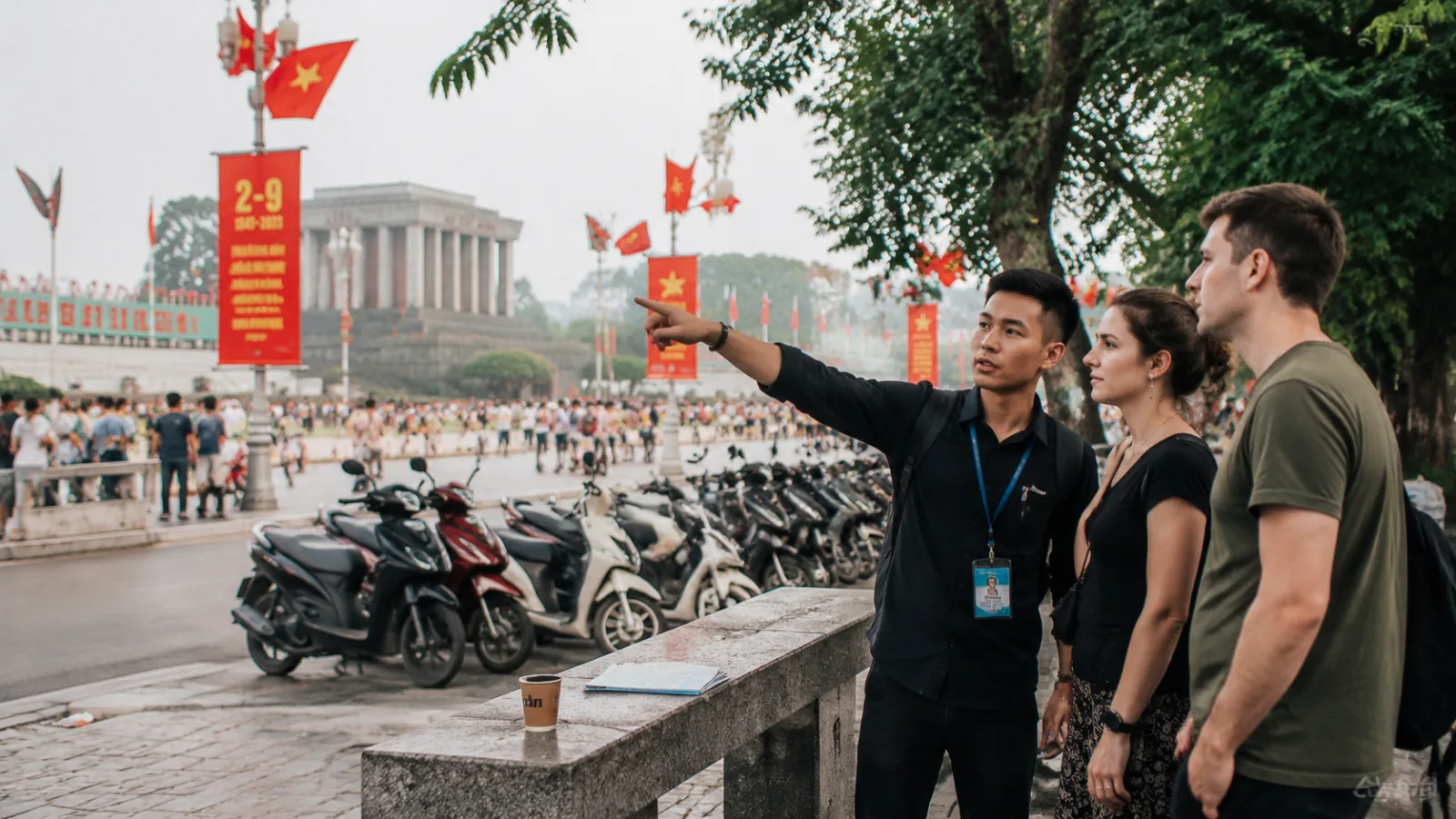

Vietnam Independence Day matters because it helps travelers, students, and history readers understand the country behind the flags, parades, and packed city streets. Many people search for Vietnam National Day or the September 2 holiday and still feel unsure about what the date really means. This guide clears up the confusion fast, so you can read it with context instead of guesswork.
For first-time visitors and adventurous travelers, the holiday is also a useful travel marker. It affects opening hours, transport, and local crowds, especially in Hanoi and Ho Chi Minh City. If you want to pair the day with a local experience, our free Saigon Street by Street guide sorts local eats and routes across Ho Chi Minh City.
What Vietnam Independence Day Is and Why It Matters
Vietnam Independence Day is the national holiday on September 2 that marks the 1945 declaration of independence in Hanoi. For travelers, it is more than a date on the calendar because it changes how cities feel, how locals move, and what is open or crowded. If you are planning a trip around this period, understanding the holiday helps you avoid missed reservations and join the right atmosphere.
At Ba Dinh Square, the original declaration gave the day its lasting meaning, and that historical weight still shapes public ceremonies today. The holiday is also a practical travel signal: museums, landmarks, and central streets may be busier, while family-run eateries and neighborhood cafes often feel more alive. For an adventurous visitor, that makes Vietnam Independence Day one of the clearest windows into local pride and everyday rhythm.
Vietnam Independence Day is Vietnam’s national holiday on September 2, commemorating the 1945 declaration of independence from France. It matters because it combines historical remembrance, public celebration, and real travel impact, including busier city centers, patriotic displays, and stronger demand for tours, transport, and dining near major landmarks.
The short definition is simple: this is Vietnam’s National Day, a public holiday observed nationwide. In practical terms, expect flags on streets, official events, and heavier foot traffic around historic areas. A useful way to think about it is this:
- For history-minded travelers, it is the most important civic date of the year
- For solo travelers and couples, it creates strong photo opportunities and a vivid local mood
- For families, it can mean earlier planning for transport, meals, and sightseeing
That is why timing matters. If you want a smoother trip, stay flexible with hotel check-in, book key activities early, and plan around parade routes or central squares. If your trip includes city exploration, Toward Local tours can help you stay close to the cultural context without losing time to logistics.
Historically, the day matters because it connects Vietnam’s modern identity to a very specific moment in 1945. The declaration in Hanoi was not just a political statement; it became a national symbol of self-determination. Many visitors remember the holiday best not from monuments alone, but from the way ordinary people celebrate with families, flags, and public pride.
| Criteria | National Day | Regular Travel Day | Best Use |
|---|---|---|---|
| City atmosphere | Flags, ceremonies, crowds | Normal pace | Culture-focused trips |
| Travel planning | Book early, expect closures | More flexible | Fast city breaks |
For travelers who want the holiday experience without stress, a soft approach works best: choose one major ceremony or landmark, then leave space for food stops and neighborhood walks. If you are comparing destinations, HCMC Food Tours can be a smart add-on when you want local flavor alongside the national story.
In the bigger picture, Vietnam Independence Day matters because it tells you what the country values: memory, resilience, and unity. That makes it one of the most useful dates to understand before visiting. If you want to experience it well, plan ahead, stay near the action, and keep your schedule light enough to enjoy the crowds rather than fight them. For a deeper local trip, explore all Toward Local tours and build the holiday into your route, not around it.
The History Behind Vietnam Independence Day
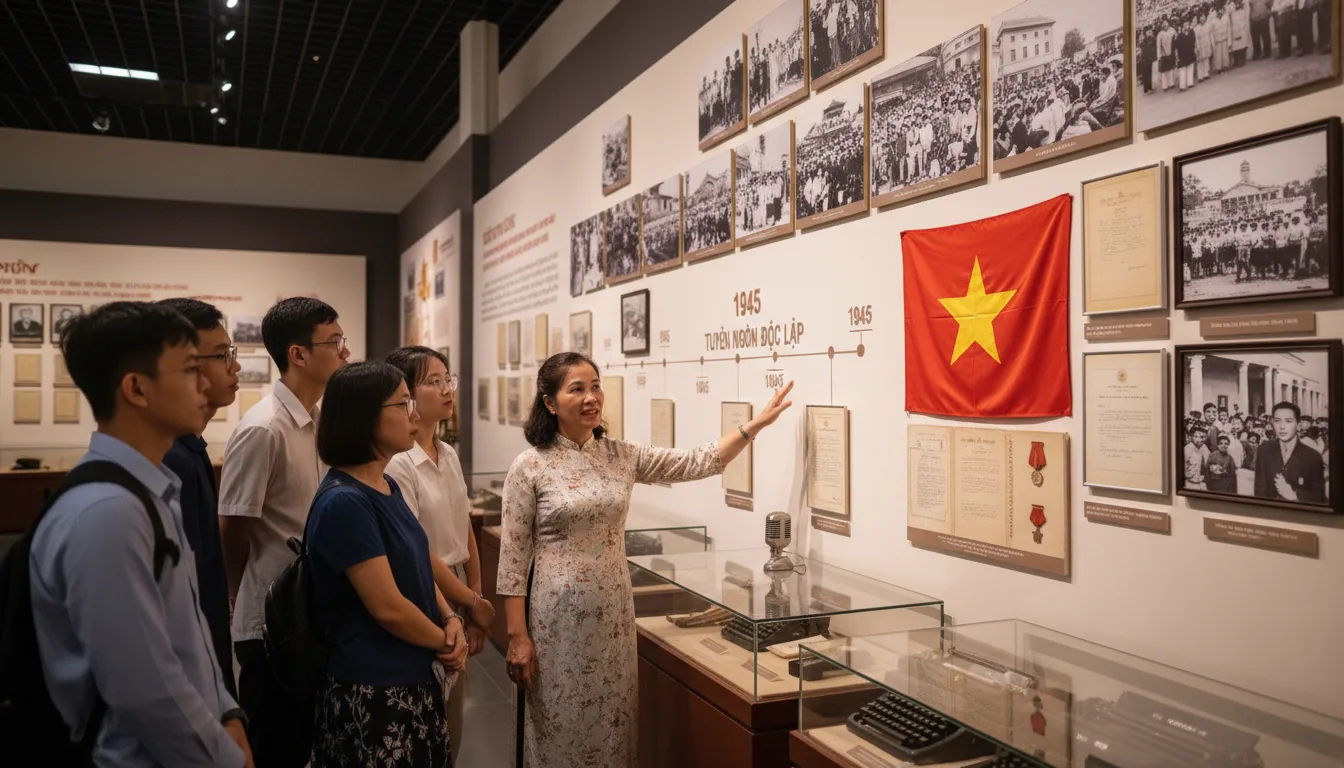
Vietnam Independence Day is not just a date on the calendar. It marks the moment modern Vietnam publicly claimed its sovereignty in Hanoi on September 2, 1945, after decades of colonial rule, wartime upheaval, and a fast-moving political shift. For travelers, understanding this history adds context to the flags, ceremonies, and national pride seen across the country each year.
If you are planning a trip around September, this background helps you read the atmosphere better. Streets feel more symbolic, museums become more meaningful, and even a simple walk through Ba Dinh area can feel layered with history. The best way to experience Vietnam Independence Day is to know why it matters before you arrive.
The 1945 declaration in Ba Dinh Square was the turning point. Ho Chi Minh read the Declaration of Independence before a large public crowd in Hanoi, announcing the birth of the Democratic Republic of Vietnam. In practical terms, this was the moment Vietnam moved from colonial control toward self-rule, and the event still anchors the country’s National Day today.
Vietnam Independence Day refers to September 2, 1945, when Ho Chi Minh declared Vietnam independent in Hanoi. The day commemorates the end of French colonial rule, the rise of the Democratic Republic of Vietnam, and the start of a new national era.
Key milestones leading to National Day include French colonization, the Japanese occupation during World War II, the August Revolution in 1945, and Emperor Bao Dai’s abdication on August 25, 1945. That sequence matters because it shows how independence was won through both political momentum and public mobilization. To go deeper than the holiday crowds, our Iconic Saigon night food tour by motorbike shows the city after dark from behind a local driver.
A simple timeline helps:
| Criteria | Colonial period | 1945 turning point | National Day legacy |
|---|---|---|---|
| Historical meaning | Foreign control and resistance | Public declaration of independence | Annual remembrance and pride |
| Traveler takeaway | Museums and memorials matter more | Expect crowds and ceremonies | Plan ahead for closures and events |
A soft planning note for visitors: if your route includes Hanoi or central Vietnam in early September, check opening hours and holiday traffic in advance. History-rich stops are often busier, but they are also more rewarding during this period. For travelers who want a wider local experience beyond the capital, the Ho Chi Minh City food tours can complement the historical side with everyday culture.
The strongest insight is this: National Day is not only about independence, but about memory. Vietnamese people do not just celebrate a political event, they revisit the long journey that made it possible. That is why the day feels both festive and reflective, especially in places where history is visible in the streets, museums, and public squares.
For solo travelers, couples, families, and adventurous visitors, this context makes the holiday easier to appreciate and easier to navigate. Book early, stay flexible, and choose experiences that connect you with local life as well as national history.
How Vietnam Independence Day Is Celebrated Today
Vietnam Independence Day is celebrated with a mix of official ceremonies, neighborhood energy, and travel-ready public holidays. For visitors, the biggest challenge is not finding something to do, but knowing what is open, where the crowds gather, and how to move around efficiently on September 2. The day feels patriotic, busy, and highly visible in major cities.
In Hanoi, Ho Chi Minh City, and Da Nang, you will usually see red flags on homes, motorbikes, office buildings, and public streets. If you want a simple way to experience the holiday without getting stuck in the busiest zones, pair a city walk with a local food stop like Toward Local tours, which can help turn a crowded holiday into a smoother cultural day.
Vietnam Independence Day is marked by flag displays, official ceremonies, public performances, and holiday travel across the country. Visitors can expect closures, heavier traffic, and strong national pride, especially in Hanoi and Ho Chi Minh City. The best approach is to plan early, start before peak hours, and check local schedules in advance.
Official celebrations usually center on government buildings, historic squares, and community stages. The tone is respectful rather than festive in a party sense, and the main visual is the national flag. In practical terms, this often includes:
- flag-raising ceremonies in public spaces
- parades or civic gatherings in major cities
- cultural performances with music, dance, and school groups
- flower arrangements and patriotic decorations around landmarks
A useful insight for travelers is that the holiday atmosphere is strongest near city centers early in the day, then shifts toward family time, café visits, and evening walks. If you are curious about a more local pace, a food-focused route in the south can be a smart add-on, especially with Ho Chi Minh City food tours when you want to avoid planning every stop yourself.
| Criteria | Cột 1 | Cột 2 | Cột 3 |
|---|---|---|---|
| Best for | Flag views and ceremonies | Street energy and photos | Relaxed local meals |
| Typical issue | Road closures | Heavy crowds | Limited opening hours |
Travel during Vietnam Independence Day is usually manageable, but it works best when you build in flexibility. Many domestic travelers return home or take short breaks, so trains, flights, and intercity buses can book out faster than usual. Some shops and offices close, while hotels, restaurants, and major attractions often stay open with adjusted hours. That makes the holiday ideal for visitors who enjoy local movement and are comfortable adapting on the fly.
For couples, solo travelers, and adventurous families, the smartest plan is to choose one base city and explore nearby neighborhoods rather than trying to cover too much ground. A day trip or guided route can save time, especially in places with strong holiday traffic. If your trip includes central Vietnam, consider Da Nang tours or Hoi An tours when you want culture, food, and logistics handled in one move. Soft tip: book early, travel light, and expect delays around the main holiday window.
What visitors can expect:
- public offices and some shops closed or on reduced hours
- more local people traveling within the country
- strong flag displays and national pride in city streets
- busy transport hubs, especially before and after September 2
If you want a holiday that feels authentically Vietnamese rather than touristy, this is one of the best times to be in the country. You see history, family culture, and city life at the same time, which is rare on a normal travel day.
For a deeper experience, choose one neighborhood, eat where locals eat, and keep your schedule loose enough to follow the crowd rather than fight it. That is usually the difference between watching Vietnam Independence Day and actually feeling it. If you are ready to explore with less stress, start with all Toward Local tours and build your day around the holiday rhythm.
Vietnam Independence Day vs. Other Major Vietnamese Holidays
Vietnam Independence Day is the best-known civic holiday in the country, but it feels very different from family-centered festivals like Tet or the historical observance of Reunification Day. If you are planning a trip, choosing the right holiday matters because the atmosphere, transport flow, and sightseeing rhythm can change a lot. This chapter helps you match the holiday to your travel style or research goal.
The key is to decide what you want to experience: national symbolism, street energy, or cultural depth. For first-time visitors, that choice affects everything from hotel rates to museum access. For solo travelers and couples, it also shapes whether you want a calm city break, a food-focused route, or a more event-driven itinerary. Vietnam Independence Day often brings public pride, flags, and local movement rather than the extended family rituals seen during Tet.
Here is the fast answer: Tet is the most important cultural holiday, Reunification Day marks political unity on April 30, and Vietnam Independence Day on September 2 honors the 1945 declaration in Ba Dinh Square. Tet is best for cultural immersion, Reunification Day is best for historical context, and Independence Day is best for understanding modern national identity. If you want to learn how people celebrate, expect flags, ceremonies, and citywide pride rather than private home rituals.
| Criteria | Tet | Reunification Day | Vietnam Independence Day |
|---|---|---|---|
| Best for | Family tradition and culture | Modern history and civic context | National pride and public events |
| Travel feel | Busy, closed services, home visits | Moderately active, local movement | Festive, symbolic, city decorations |
For most travelers, Ho Chi Minh City tours work especially well around national holidays because the city shows both memorial history and everyday local life in one route. If your research focus is tourism behavior, this is also the easiest time to observe how Vietnamese people gather in public spaces, visit monuments, and adjust travel plans around a major public holiday.
Choose Tet if you want the deepest cultural experience, but plan carefully because many businesses close and transport gets crowded. Choose Reunification Day if you want history with a more relaxed travel pattern. Choose Vietnam Independence Day if your goal is a balanced mix of education and atmosphere. For adventurous couples or solo travelers, it often offers the clearest view of how Vietnam expresses identity without the full disruption of Tet.
In practical terms, September 2 is a strong choice for city exploration, short heritage visits, and soft-sell tour planning. The holiday creates visible patriotism, but it usually does not overwhelm every service the way Tet can. That makes it a smart window for travelers who want cultural authenticity and easier logistics at the same time. If your trip includes central Vietnam, Da Nang holiday experiences can be a good match for combining beach time with local seasonal movement.
If you want to experience a holiday with local energy and fewer planning risks than Tet, consider building your route around September 2 and nearby historical districts.
Strong takeaway: Vietnam Independence Day is the best holiday for travelers and researchers who want national symbolism, accessible city movement, and a realistic view of modern Vietnam in public life.
Important Details, Common Questions, and Final Takeaways
Vietnam Independence Day is the clearest public holiday to understand if you want to read the country like a local, not just a visitor. The date is fixed on September 2, but the real experience changes by city, neighborhood, and time of day. For travelers, that means crowds, closed services, and patriotic events can shape your plans fast.
The smart move is to focus on timing, context, and logistics before you go. If you want a smoother city break, pair the holiday with a guided food walk or a heritage route such as HCMC food tours, where the atmosphere is lively but still manageable. That gives you a practical way to enjoy the holiday without getting stuck in the busiest spots.
Vietnam Independence Day falls on September 2 each year. It is a national public holiday marking the 1945 declaration of independence. Expect flags, parades, government closures, and heavy domestic travel. The best time to visit is usually a few days before or after the holiday if you want easier transport and more flexible sightseeing.
Common mistakes people make start with assuming it is only a symbolic date. In reality, local routines shift. Banks may close, some attractions get crowded, and transport can book out earlier than expected. A second mistake is treating every city the same. Hanoi often feels more ceremonial, while Ho Chi Minh City can feel faster, louder, and more event-driven.
Another frequent error is arriving without a plan for meals and movement. On a short trip, that can waste time. If you are traveling in central Vietnam, a cultural day out with Da Nang tours can help you balance holiday traffic with easier access to beaches, bridges, and local food. Booking flexible activities matters more than booking more activities.
| Criteria | Go on September 2 | Go a few days nearby | Best for |
|---|---|---|---|
| Atmosphere | Strong patriotic energy, busy streets | Calmer, easier to explore | Culture seekers versus relaxed travelers |
| Logistics | More closures and higher demand | More predictable transport and bookings | Short-stay visitors and families |
FAQ: The holiday date is always September 2, and the meaning is tied to the 1945 independence declaration in Hanoi. Yes, it is a public holiday nationwide, and many offices, schools, and some services close. The best time to visit is often the shoulder window around the holiday if you want both local energy and easier movement.
If you want the trip to feel authentic, use the holiday as a starting point, not the whole itinerary. Stay near areas with strong street life, watch the flags and public spaces, and plan one slower day for local food and heritage. If you want a calmer way to spend the holiday evening, check dates for the Iconic Saigon night food tour.
Final takeaway: Vietnam Independence Day is best understood through context, timing, and crowd awareness. If you respect the rhythm of the day, you will get more than a date on the calendar. You will get a clearer view of how Vietnam celebrates memory, identity, and everyday life at the same time.
For the strongest trip outcome, book early, keep your schedule flexible, and choose experiences that work even if traffic or opening hours change. If you want a memorable local trip with less guesswork, this holiday is a good reason to travel smarter, not harder.