
Xa Loi Pagoda is the kind of Ho Chi Minh City temple many travelers hear about after they arrive, then realize they still do not understand. If you want more than a quick photo stop, this guide helps you read the pagoda in context, from its spiritual role to the practical details that shape a smooth visit.
It matters because Xa Loi Pagoda is not just a Buddhist landmark; it is also a place where history, ritual, and everyday local devotion meet in one compact site. For first-time visitors, that mix can feel unclear, so knowing what to expect helps you visit respectfully and get more from the experience. A broader day out can pair well with Ho Chi Minh City tours if you want to connect the pagoda with nearby cultural stops.
What Xa Loi Pagoda Is and Why It Matters
Xa Loi Pagoda is one of Ho Chi Minh Citys most important Buddhist temples, known for its spiritual calm and its place in modern Vietnamese history. For travelers who want more than a quick sightseeing stop, it offers a clear window into local faith, memory, and daily life in District 3.
Many visitors search for Xa Loi Pagoda when they want a meaningful stop between major city landmarks. It is especially useful for first-time visitors, solo travelers, and couples who prefer places that feel real, lived in, and deeply local rather than overly polished.
A brief definition: this is a working Buddhist pagoda, not a museum. You will see worshippers, monks, quiet prayer spaces, and a steady rhythm of people coming and going. In practice, that means the visit is simple: arrive respectfully, move slowly, and let the atmosphere do most of the work.
Its historical role is what gives the site weight. Xa Loi Pagoda became closely tied to Buddhist activism in the 1960s, especially during the events that shaped the citys political memory. That history is still part of why locals regard it with seriousness, while visitors often leave with a better sense of how religion and public life intersect in Vietnam.
For a fuller city day, many travelers pair a temple visit with Toward Local tours when planning a broader local experience. If you are building a cultural route in the center, this pagoda fits naturally between museums, markets, and calm street walks.
| Criteria | Cột 1 | Cột 2 | Cột 3 |
|---|---|---|---|
| Best for | History minded visitors | Quiet cultural stops | Short city itineraries |
| What to expect | Active worship | Modest dress needed | Serious local atmosphere |
Most visitors look for Xa Loi Pagoda in the morning or late afternoon, when the light is softer and the grounds feel calmer. A short visit works best if you want a break from traffic-heavy sightseeing, and it is often easier to combine it with nearby District 3 stops rather than treat it as a standalone attraction.
If you enjoy local places with cultural depth, add this pagoda to the start of your Ho Chi Minh City route so the rest of the day feels more connected and intentional.
In short, Xa Loi Pagoda matters because it is both a place of worship and a reminder of the citys Buddhist legacy. For travelers who value authentic urban culture, that combination is exactly what makes the visit worthwhile.
Plan a respectful stop here, then continue with nearby landmarks that reveal a different side of the city, not just its busiest tourist faces.

How to Visit Xa Loi Pagoda
Xa Loi Pagoda is one of those places where a simple city stop becomes a meaningful cultural visit. If you are planning a first visit, the main challenge is usually not the temple itself, but knowing when to go, how to dress, and what to expect once you enter. This guide keeps it practical, so you can arrive calmly and avoid the small mistakes that make travelers feel out of place.
For solo travelers, couples, and families who prefer local, low-key experiences, Xa Loi Pagoda works well as a half-hour to one-hour stop in District 3. The atmosphere is active but respectful, and the visit is easy to combine with nearby city sights. A little preparation goes a long way, especially if you want to observe real worship habits instead of only taking photos.
Xa Loi Pagoda is best visited in the early morning or late afternoon, when the heat is softer and the crowds are lighter. Dress modestly, keep your voice low, and expect a working Buddhist site rather than a tourist showpiece. Entry is typically free, but donations are welcome.
| Criteria | Best Choice | Why It Works | Traveler Fit |
|---|---|---|---|
| Arrival time | Morning | Quieter atmosphere and cooler weather | First-time visitors |
| Visit style | Short, respectful walk-through | Fits a city itinerary without rushing | Couples and solo travelers |
The pagoda is on Ba Huyen Thanh Quan Street in District 3, close to the edge of District 1, so reaching it by taxi or ride-hailing is the easiest option. Opening hours are usually from early morning to late afternoon, and there is generally no entrance fee. A small donation at the altar area is a thoughtful way to show respect, especially if you use the space quietly and take time to observe the local rhythm.
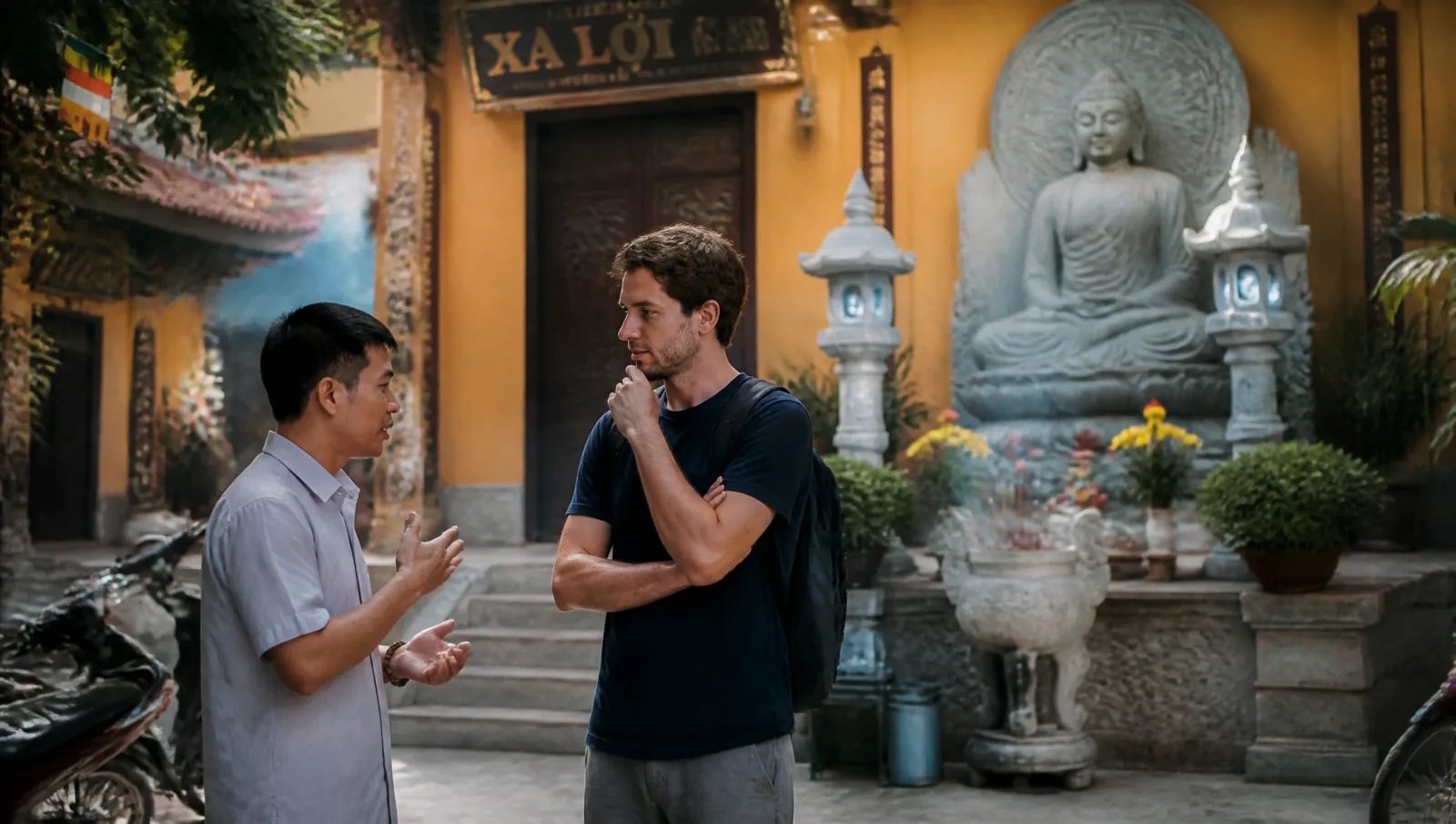
Inside, the visit usually includes the main prayer halls, the seated Buddha statue, bell tower views, and smaller sacred spaces where locals pray or meditate. If you want a smoother day, pair this stop with a broader city route and book a local guided tour option when you prefer context over guesswork. The key insight is simple: this is less about checking off a landmark and more about entering an active spiritual place with care.
A simple first-time flow looks like this:
1. Arrive quietly and pause before entering
2. Check the dress code and remove hats if needed
3. Walk through the main hall first, then side spaces
4. Keep photos discreet and avoid flash near worshippers
5. Leave a donation only if you wish, then exit slowly
For travelers who like local culture with an easy city rhythm, Xa Loi Pagoda gives you a real glimpse of everyday Buddhist practice. If you want to connect it with food or a fuller Saigon day, a Ho Chi Minh City tour can help you move from temple calm to street-level energy without wasting time planning each stop. Finish your visit by stepping back, watching how locals move through the grounds, and letting the place feel unhurried.
Why Xa Loi Pagoda Is Worth Visiting
Xa Loi Pagoda is worth visiting because it offers more than a quick temple stop in Ho Chi Minh City. It gives travelers a real sense of local Buddhist life, a calm break from the traffic outside, and a meaningful place to understand how faith, history, and community still shape the city today.
For first-time visitors, the pagoda is easy to appreciate without any special background knowledge. You can come for the architecture, stay for the atmosphere, and leave with a clearer view of everyday worship in Vietnam. If you are planning a broader cultural route, you can also compare it with other city experiences such as Toward Local city tours and see how Saigon’s spiritual side fits into a full-day itinerary.
Featured answer: Xa Loi Pagoda is a good choice for travelers who want a quiet, culturally rich stop in central Ho Chi Minh City. It combines Buddhist heritage, local worship, and photogenic details in one compact visit, making it suitable for sightseeing, learning, and respectful spiritual exploration.
Main cultural and spiritual benefits
The strongest value of Xa Loi Pagoda is its balance of sacred space and public accessibility. Visitors can observe incense rituals, listen to chanting, and see how locals pray in a setting that still feels active, not staged. That makes the visit useful for travelers who want authentic cultural context rather than a purely decorative landmark.
- Spiritual value: a calm place for prayer, reflection, and merit-making
- Cultural value: a live example of Vietnamese Buddhist practice in the city
- Historical value: a site linked to major religious and political moments
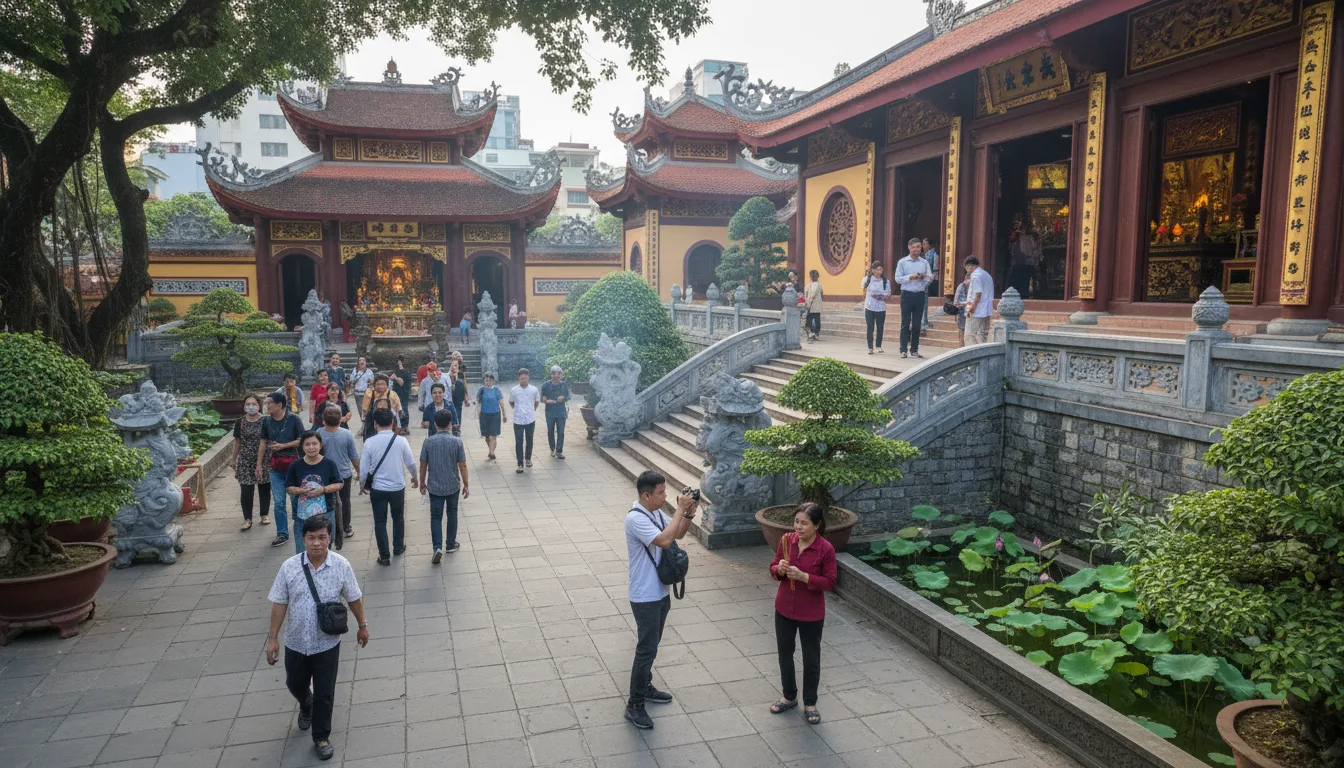
- Visual value: ornate roofs, statues, towers, and quiet courtyards
A practical insight is that the pagoda works especially well for slower travel. Instead of rushing through, spend 20 to 40 minutes observing details, reading the space, and moving quietly. That pace helps solo travelers and couples feel more present, while families can use the visit to introduce children to respectful temple behavior.
| Criteria | Quick visit | Deep visit | Best for |
|---|---|---|---|
| Time needed | 20 to 30 minutes | 45 minutes or more | Travelers on flexible schedules |
| Experience style | Photo stop and light browsing | Prayer, learning, and reflection | Culture-focused visitors |
Common use cases: sightseeing, photography, learning, and worship
Most visitors come for four reasons. Sightseers want a reliable local landmark in District 3. Photographers appreciate the layered architecture and natural light. Learners come to understand Buddhism in Vietnam. Worshippers visit for daily devotion, special holidays, or personal reflection. If you are building a cultural day in the city, HCMC food and culture tours can pair well with a temple stop like this one.
Photography works best when you keep the scene respectful. Capture wide shots of the towers, close shots of carved details, and candid frames of the space itself, but avoid interrupting anyone who is praying. The most useful takeaway is that the pagoda feels most photogenic in the early morning, when the courtyard is quieter and the light is softer.
Who should prioritize this destination
Prioritize Xa Loi Pagoda if you enjoy local, adventurous travel and want places that feel lived in rather than packaged. It suits solo travelers who like slow discovery, couples looking for a calm cultural stop, and families who want a meaningful introduction to Vietnamese traditions. It is also a strong fit for travelers from Europe, North America, Korea, and Japan who value respectful, low-pressure sightseeing.
You should especially choose it if you prefer destinations that combine history with present-day religious life. The pagoda is not just something to look at. It is a place where people still come to pray, reflect, and gather for important Buddhist occasions. For travelers who want a fuller city route, Hoi An cultural tours can offer a helpful contrast in style when comparing Vietnam’s spiritual spaces across regions.
If you are shaping a city itinerary around local heritage, include Xa Loi Pagoda as a quiet anchor point before or after nearby museums and markets.
Visit Xa Loi Pagoda when you want one stop that delivers culture, calm, and authenticity without requiring a long detour. It is one of the easiest ways to feel the real rhythm of Ho Chi Minh City beyond the usual tourist circuit.
Xa Loi Pagoda vs. Other Saigon Temples
Xa Loi Pagoda is a strong choice if you want a temple visit that feels more local, less staged, and easier to combine with a District 3 city route. Compared with the city’s more famous pagodas, it is quieter, more historical, and better suited to travelers who value context over crowds. For first-time visitors, the key question is not whether it is beautiful, but whether it matches the kind of stop you want.
Many travelers pair it with nearby cultural landmarks because the area makes sense for a half-day plan. If you are building a broader Ho Chi Minh City itinerary, consider adding local city tours that already connect temples, markets, and museums in one route. That saves transit time and helps you see how Xa Loi Pagoda fits into the city rather than treating it as an isolated stop.
Xa Loi Pagoda is best for visitors who want a meaningful Buddhist site in central Ho Chi Minh City without the heavy tourist traffic of the most famous temples. It offers history, calm, and easy access, but it is less decorative than some larger pagodas and works best as part of a smart city itinerary.
| Criteria | Xa Loi Pagoda | More Famous Temples | Best For |
|---|---|---|---|
| Atmosphere | Quiet, local, reflective | Busier, more visited | Travelers who prefer calm spaces |
| Visit style | History and culture focused | Architecture and photo focus | Solo travelers and couples |
For families, the main advantage is simplicity: the site is central, easy to reach by ride-hailing, and can be visited without a long time commitment. For solo travelers and adventurous visitors, the benefit is different: it gives a clearer sense of how locals practice Buddhism in the city, especially outside peak hours. A small but important insight is that the pagoda rewards slow observation more than fast sightseeing, so it suits visitors who enjoy details.
The limitation is that Xa Loi Pagoda is not the most dramatic temple in Saigon, so if your goal is iconic photo spots, another pagoda may feel more rewarding. Still, if you want a balanced itinerary, it is an excellent cultural stop before or after a broader local experience. In practice, choose Xa Loi Pagoda when you want meaning, convenience, and a real neighborhood feel rather than a postcard-only visit.
Visitor Tips, Common Mistakes, and FAQ
Xa Loi Pagoda is easiest to enjoy when you arrive prepared for a calm religious site rather than a sightseeing stop with loose rules. Many first-time visitors get the most out of the visit by dressing modestly, keeping their voice low, and planning for a short but meaningful stop in District 3. That simple mindset helps you avoid awkward mistakes and see the pagoda with more respect.
For solo travelers, couples, and families, the biggest challenge is usually timing and etiquette, not distance. The pagoda rewards visitors who move slowly, observe local worship, and leave room for a nearby cultural walk after the visit. A little preparation goes a long way at Toward Local tours if you want to build a broader local day plan around your stop.
Respectful behavior, dress code, and etiquette to avoid mistakes
Wear clothing that covers shoulders and knees, and choose comfortable shoes you can slip off if asked inside prayer areas. Keep flash off, avoid loud conversations, and never stand directly in front of people who are praying. A useful rule is simple: if a space feels ceremonial, pause first and watch what locals do before moving deeper into the hall.
Common mistakes are easy to avoid. Visitors often take photos too closely, speak while monks or worshippers are present, or treat the grounds like a regular tourist attraction. If you want to continue your day in the same local rhythm, Ho Chi Minh City food tours can pair well with a quiet cultural visit after you leave the pagoda.
| Visitor choice | Best for | Why it works | Common mistake |
|---|---|---|---|
| Early morning | Quiet visits | Cooler, calmer, more respectful | Arriving too late in the day |
| Modest clothing | All visitors | Fits the temple setting | Shorts, sleeveless tops, loud colors |
FAQ: history, best time to visit, photography, and nearby attractions
Xa Loi Pagoda was built in the late 1950s and became historically significant in 1963 during Buddhist protests in South Vietnam. The best time to visit is early morning or late afternoon. Photography is usually allowed in public areas, but visitors should avoid flash and always respect people who are praying.
When should you go? Early morning gives you softer light, fewer crowds, and a quieter atmosphere. Can you take photos? Yes, but keep a respectful distance and ask before photographing worshippers. What is nearby? The pagoda sits in District 3, so you can combine it with other local stops in the area for a fuller half-day route.
Visitors who come with a slow pace usually remember the visit more clearly than those who rush from one landmark to the next. If you are building a broader local itinerary, Da Nang tours and Hoi An tours show how a well-paced local experience can feel richer than a checklist route.
Light CTA: plan your Xa Loi Pagoda visit with confidence
If you want a visit that feels calm, respectful, and easy to manage, plan for modest clothing, quiet behavior, and a timing window that avoids the busiest hours. Xa Loi Pagoda is not a place for rushed sightseeing. It is a place to observe, reflect, and move with care.
Use the nearby attractions as a second stop, not a distraction. That way, the pagoda becomes part of a thoughtful District 3 route instead of a quick photo break. For travelers who prefer a more organized local day, planning around all Toward Local tours can help you build a trip with more confidence and less guesswork.